Flanders bans sale of live animals at weekly markets

From 1 January 2026, the sale of live animals at weekly markets will be banned across Flanders, marking the end of a long-standing tradition in several towns and cities. The measure stems from the Flemish Animal Welfare Code introduced by Flemish minister for Animal Welfare Ben Weyts (N-VA) and is intended to improve the welfare of animals traded in public spaces.
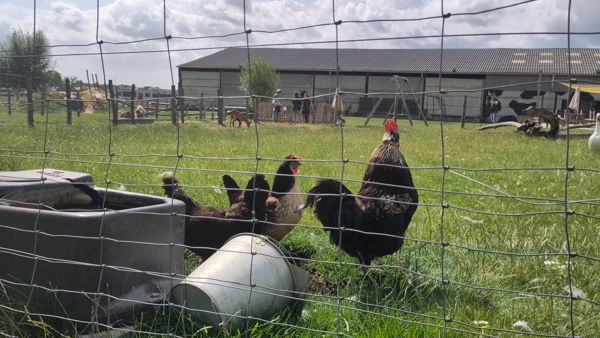
Under the new rules, animals may no longer be sold at weekly markets. For animals other than dogs and cats, limited exceptions remain for annual fairs, exhibitions and markets that take place no more than eight times a year. Local police will be responsible for supervision and for recording any infringements.

This decision puts an end to some long-standing features of Flemish street life. Antwerp’s famous bird market, the Vogelenmarkt, for example, dates back centuries. During the city’s Golden Age in the sixteenth century, the growing prosperity of the city was reflected in the lively market activity. Historical sources suggest that a market selling game meat was held on the Meir as early as 1272.
The Vogelenmarkt itself moved to its current location in the early nineteenth century after an odorous open waterway was covered by Napoleon's decree in 1811, creating new urban space. The market then settled around the areas now known as the Oude Vaartplaats and the Blauwtorenplein.
For decades, and well into the 1990s, live animals were a central feature of the Vogelenmarkt. Racing pigeons and live poultry were sold there long before the First World War, and in the 1950s and 1960s it was one of the largest pigeon markets in Flanders and the southern Netherlands.
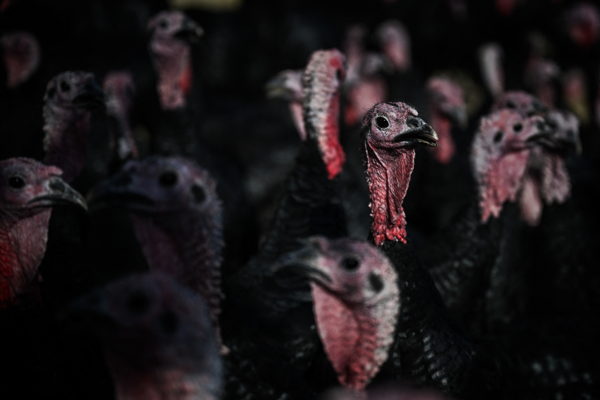

After the Second World War, traders also began selling native and exotic songbirds such as canaries, parakeets and finches. Interest declined from the 1970s onwards, as fewer city residents kept pigeons and stricter regulations were introduced for pigeon lofts and bird keeping.
The impact of the ban is also keenly felt in Mol, where a weekly animal, farmers’ and flea market has taken place for 140 years. The municipality unsuccessfully challenged the new rules before Belgium’s Constitutional Court in an attempt to preserve its weekly animal market.
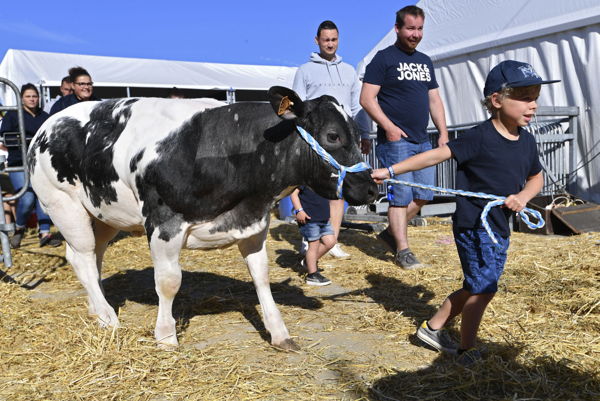

As a result, Mol will be limited to organising no more than eight animal markets per year from 2026. The disappearance of what was the largest weekly animal market in Flanders has been met with strong opposition from traders and regular visitors.
Minister Weyts has repeatedly defended the reform. He argues that transporting animals to and from busy markets on a weekly basis is incompatible with modern animal-welfare standards. In his view, it is preferable for people to visit animals where they are kept, rather than repeatedly moving animals through crowded public spaces - the same reasoning that previously led to a ban on selling dogs and cats at markets.
#FlandersNewsService | © Peter Hilz / HH
Related News