Flanders sets tougher rules to protect turkeys

Flanders will introduce tougher welfare standards for turkeys after earlier rules were struck down. Animal Welfare minister Ben Weyts has set new limits on stocking density, lighting, ventilation and daily care, applying to all farms regardless of size.
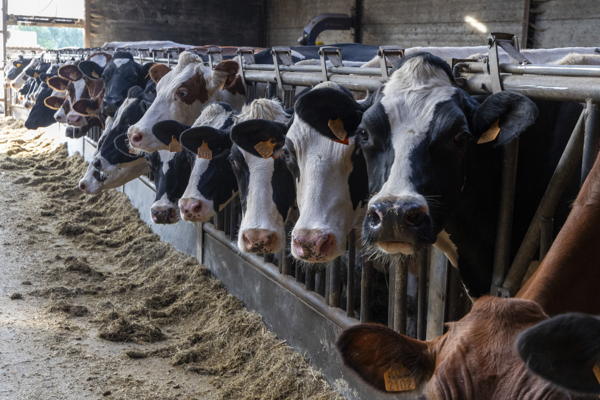
Around 30 farms in Flanders raise 1.2 million turkeys each year. Although the birds are kept in barns rather than cages, leg injuries are widespread: about 99 per cent of hens and 90 per cent of toms show some form of damage, often caused by overcrowding.
The government’s 2023 rules were annulled by the Council of State because they only applied to farms with more than 200 birds. Weyts says he has now “repaired” the legislation and “found a new balance”.
Under the new framework, every farm will face checks, including a monitoring system in slaughterhouses. If too many birds from a single farm arrive with leg injuries, authorities will intervene. Inspectors will also monitor growth rates, which can harm welfare when birds put on weight too quickly.
Five-year transition
The law sets a maximum number of turkeys per square metre, and there are stricter limits for older, heavier birds. There are also rules for lighting hours, noise, ventilation, drinking water, bedding and seating areas. Farmers must check their birds at least twice a day and isolate any sick or injured animals.
Most measures will take effect on 1 January 2027, and businesses have five years to adapt existing barns to let in more natural light.
The turkey industry says it is feeling squeezed. With few turkey farms left, mainly in West Flanders, suppliers show little interest in developing new technologies for such a small market. Producers warn that Flemish environmental and animal welfare rules are already tougher than those in neighbouring countries and raise fears about competitiveness.
© PHOTO PHILIPPE LOPEZ / AFP
Related news