Electricity imports into Belgium hit record high

Belgium has become more dependent than ever on foreign electricity, with imports reaching a record level in April, according to figures cited by De Standaard from the specialised website Energy-Charts, based on data from grid operator Elia.
Although the month is not yet over, Belgium has already imported 2,357 gigawatt-hours (GWh) of electricity, surpassing the previous record of 2,277 GWh set in August 2015. Imports have accounted for nearly 42 per cent of total electricity consumption so far this month, peaking at 58 per cent on a single day, 18 April.
Nuclear outages drive reliance on imports
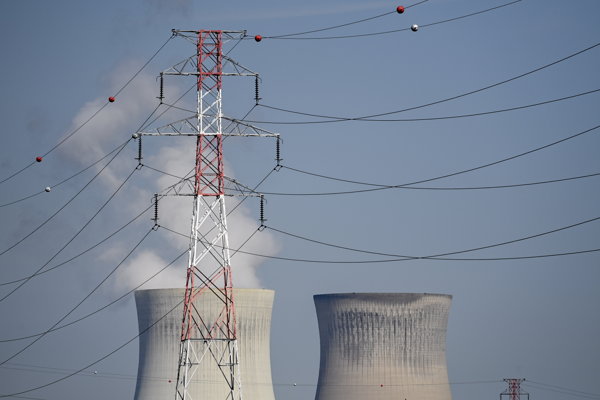
As in 2015, the sharp rise in imports is largely due to the reduced availability of nuclear energy. Since the start of April, Belgium’s two remaining reactors, Doel 4 and Tihange 3, have been offline for maintenance and upgrades aimed at extending their lifespan until 2035. The resulting shortfall has been covered primarily by imports.
Unlike the energy supply concerns seen a decade ago, the current situation has passed largely without disruption. Electricity from France, mainly nuclear and solar, and from the Netherlands, largely wind and solar, has compensated for the lost capacity. In total, imports have even exceeded domestic needs at times, allowing Belgium to re-export electricity to countries such as Germany and the United Kingdom.
The record reliance on imports comes amid wider concerns about Belgium’s energy position. Earlier this month, the Federation of Belgian Industrial Energy Consumers (Febeliec) warned that electricity prices for industry remain structurally higher than in neighbouring countries, with a gap of 6-17 per cent. Rising wholesale prices across Europe are further increasing pressure on energy-intensive sectors.


At the same time, industrial players have called for a reassessment of Belgium’s nuclear strategy. Febeliec has urged the government to examine whether more reactors could remain operational beyond current plans, arguing that this could strengthen energy security and reduce dependence on imports. According to the organisation, extending nuclear capacity could also significantly lower electricity costs.

Engie has dismissed such proposals as unrealistic, citing technical and financial constraints. Febeliec, however, maintains that government intervention may be necessary if Engie refuses to cooperate, pointing to previous cases where operators were required to keep power plants running in exchange for compensation.
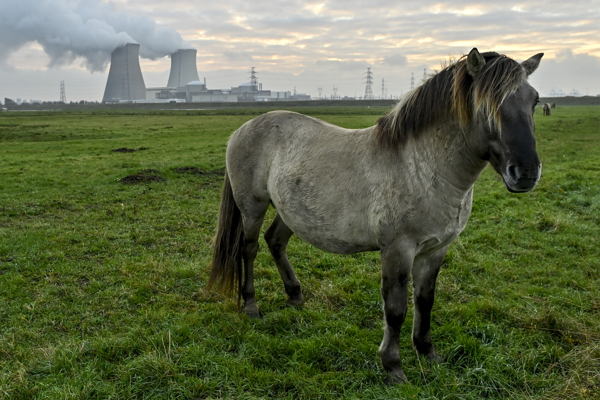
Cooling towers of Doel © PHOTO BELGIAN FREELANCE
Related news