Belgian cabinet fails to agree on prison overcrowding but approves defence and energy measures

On Tuesday morning, Belgium’s federal ministers held a final cabinet meeting ahead of the Christmas recess. Several sensitive issues were on the agenda, including the chronic overcrowding of prisons. Despite earlier warnings about the urgency of the issue, no agreement was reached.
Justice minister Annelies Verlinden (CD&V) emphasised that only a comprehensive solution would yield tangible results. She said that reducing the number of prisoners sleeping on the floor was essential in order to improve staff safety, clear the backlog of around 3,200 convicted offenders awaiting imprisonment and create conditions that support reintegration rather than reoffending.
Verlinden emphasised that cooperation with the ministries of Asylum and Migration and Public Health was indispensable. Nevertheless, talks ended without a deal.
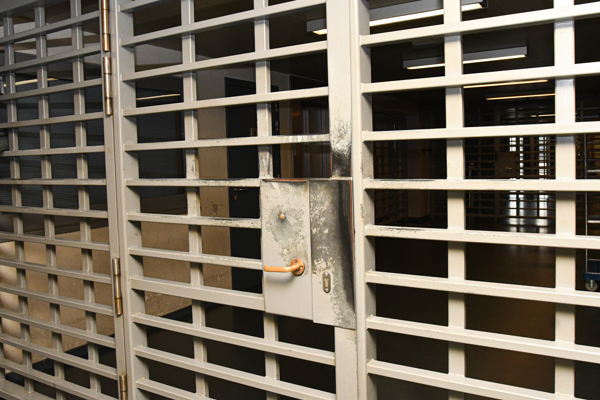

The cabinet also failed to reach an agreement regarding the potential deployment of soldiers in public spaces. When asked by public broadcaster VRT NWS whether military personnel would be visible in public spaces on 5 January, Defence minister Theo Francken (N-VA) replied, “No.”
However, ministers did approve several major investment decisions. The government agreed to purchase four new search-and-rescue helicopters at a cost of 182.3 million euros. According to Francken, this acquisition will provide the North Sea with a modern and reliable rescue capacity for decades to come, while also reaffirming Belgium’s responsibilities in the area.
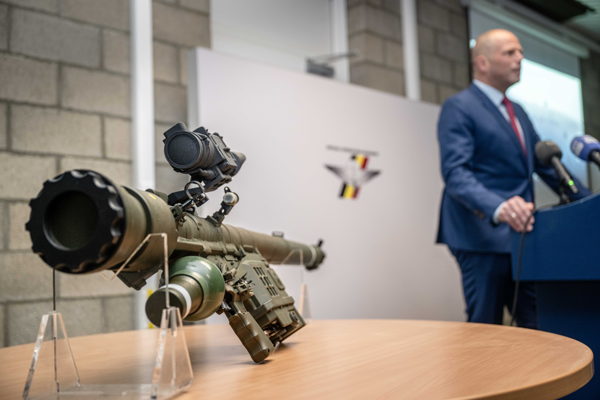

The cabinet also approved the expansion of the CaMo defence programme, which includes the purchase of 92 GRIFFON and 123 SERVAL armoured vehicles. Francken described the deal as a substantially renegotiated contract that would enhance security, offer value for money to taxpayers, and support domestic industry.
Energy norm
Additionally, ministers approved the so-called 'energy norm', which is intended to support electricity-intensive industries that face higher power costs than their competitors in neighbouring countries such as France.
According to Energy minister Mathieu Bihet (MR), the scheme combines a permanent reduction in electricity transmission tariffs with temporary support under the EU's CISAF state aid framework. Eligible companies may receive discounts of up to 50 per cent on the energy component of their electricity bills, provided they invest in energy efficiency and decarbonisation measures.
The government plans to allocate almost one billion euros to the energy norm over the current legislative term. They argue that this will improve industrial competitiveness and accelerate the energy transition.
© BELGA PHOTO NICOLAS MAETERLINCK
Related News