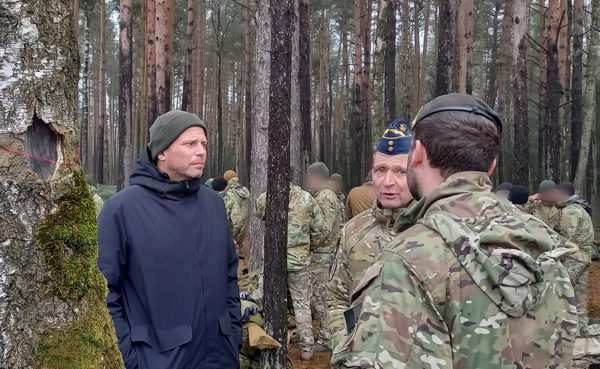
Defence minister presents new air defence and anti-drone systems

Belgian Defence minister Theo Francken officially handed over the PIORUN air defence system to the Special Operations Regiment on Tuesday. At the same time, he presented a range of new anti-drone capabilities that will be deployed at all Belgian military bases from early January.
PIORUN is a portable, shoulder-fired air defence system designed to neutralise larger drones, helicopters and low-flying aircraft. Training for personnel will begin immediately, and a more intensive training phase is planned for 2026.
The PIORUN systems were purchased from Poland, where they are manufactured. Following consultations with the Polish Defence minister, the first units were delivered at short notice.

Alongside PIORUN, Defence is accelerating investments in a broader anti-drone package, for which 50 million euros has been released ahead of schedule. From early January, every Belgian military base will be equipped with an immediate response kit combining drone detection and electronic jamming.
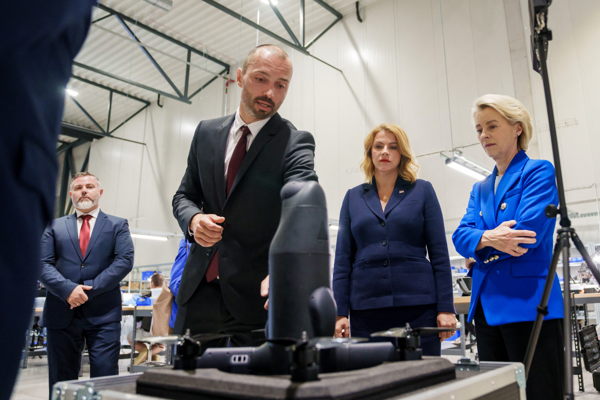
The lightweight and mobile system is worn by an operator, with antennas mounted on the back, and displays all detected drone activity on a digital map. While jamming can disrupt drones, taking them down will require shotguns with specialised counterdrone ammunition, which will also be available at all bases from early next year.

Hybrid warfare
The measures follow several incidents in October and November, when drones were repeatedly spotted over Belgian military sites and airports. Those incidents revealed that Defence lacked sufficient means to counter drone activity.
Francken warned that drone activity over Belgium has not disappeared. "That is absolutely still happening, although we no longer see the same numbers," he said. "What we no longer see are operations with multiple drones over military domains. But there are still reports, for example near the Tihange and Doel nuclear power plants."
The new systems form part of Belgium's substantial increase in defence spending, with the country set to meet NATO’s target of allocating 2 per cent of GDP to defence for the first time this year. Alongside investments in drones and air defence, the plans include purchasing additional F-35 fighter jets and recruiting extra military personnel.
Over the next decade, NATO aims to raise overall defence-related spending to 5 per cent of GDP, of which 3.5 per cent would be direct military expenditure. For Belgium, that would translate into around 139 billion euros for Defence between 2026 and 2034. Of that amount, roughly 34 billion euros would go to new equipment, about 50 billion euros to personnel costs and a similar sum to operational expenses.
© BELGA PHOTO JONAS ROOSENS
Related news