Village cycling races in Flanders face sharp decline, with just 19 left

Traditional Flemish fairground cycling races, known as kermiskoersen, are rapidly disappearing. Once held in almost every village, only 19 professional races remain today.
Organisers have applied for recognition as intangible cultural heritage, hoping to protect the tradition and raise its profile, newspaper De Standaard writes.
These races are deeply tied to local festivals. In the West Flanders town of Kortemark, for instance, the annual event has taken place since 1937, turning the town into a hub of food, music and cycling for a day.
The tradition dates back to 1869, when a race linked to a local fair was first held in Brussels. It soon spread across Flanders, becoming a unique part of regional culture. But numbers have fallen due to fewer sponsors, a lack of volunteers and competition from bigger international races.
Organising a race is costly and complex. Former pro rider Thomas Joseph, who started a race in 2020, told De Standaard that around 20,000 euros is needed. Many events now double as business networking occasions to attract sponsors.
Supporters hope heritage status will boost visibility and encourage local backing. While it brings no direct funding, they say it could help keep the races alive.
They also stress the sporting value: these small races offer young riders vital experience and help keep cycling accessible at grassroots level.
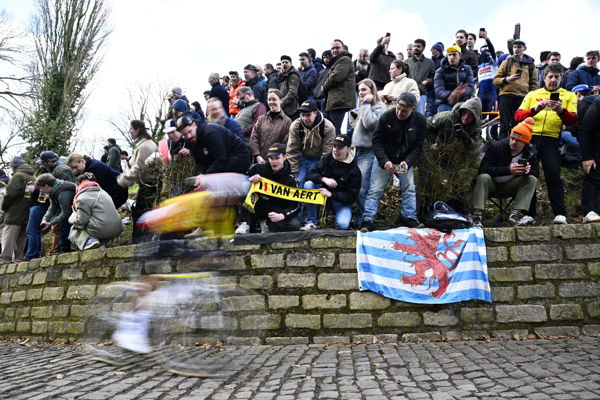
#FlandersNewsService | The Nokere Koerse cycling race © BELGA PHOTO ELIAS ROM
Related news