Valuable nature in Flemish countryside increasingly destroyed illegally

Over the past six years, there has been a striking increase in the illegal destruction of protected hedgerows, copses and ditches in Flanders compared to previous years. This was reported by VRT NWS based on figures from the nature inspectorate.
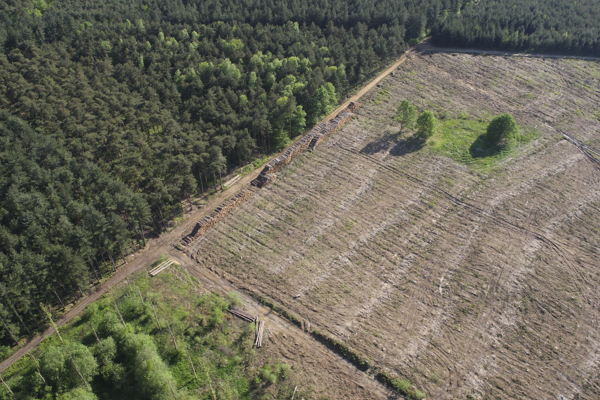
Typical Flemish landscape features, such as copses between fields, ponds or hedgerows, are often protected by Flemish environmental legislation. Despite this legislation, valuable natural areas are still being illegally destroyed in Flanders every year. Figures from the nature inspectorate even show that the rate of destruction has accelerated. In 2025, fifty per cent more landscape features were destroyed than in 2019. In total, 196 km of nature corridors such as hedgerows, verges and rows of trees have disappeared since 2020.
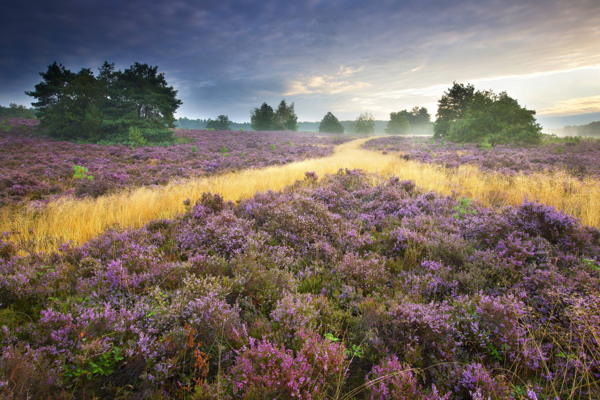
More valuable vegetation, such as heathland, marshes, fens and copses, was also destroyed without a permit. Between 2011 and 2018, the nature inspectorate never recorded more than 10 hectares destroyed. Since 2020, the figure has been many times that amount each year, with the exception of 2023.

Although the Flemish stock of hedgerows, rows of trees, copses and marshes – approximately 44,500 km of landscape features – is not under immediate threat, the nature inspectorate believes too much is being lost. According to the Flemish public broadcaster VRT, the increase is due to the fact that farmers have changed their farming practices, for example by fencing off their fields with barbed wire instead of hawthorn hedges.
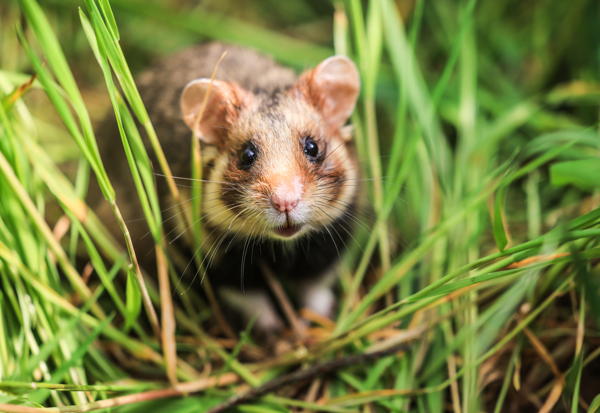
This for example makes various animal populations vulnerable. It for example recently emerged that the number of grassland butterflies in Flanders has fallen by more than half since 1990. And farmland birds are also faring miserably. For instance, Flanders has 95 per cent fewer skylarks than in 1960. And in just 20 years, the number of partridges has halved.

According to Flemish minister for the Environment and Agriculture Jo Brouns, the figures from recent years show “no significant trend, especially as recording in earlier years was also less accurate compared to recent years.” Nevertheless, Brouns emphasised that the protection of this valuable rural nature is “an absolute priority”. “Every case is being closely monitored.”
“Our natural environment is a precious shared asset that we must protect for future generations,” he also told VRT NWS. “Where restoration is possible, the damage must be effectively repaired. And where necessary, fines or other sanctions follow.”
According to Flemish MP Mieke Schauvliege of the Flemish green party Groen, this is not enough. “The protection of valuable nature that shapes our landscape is still inadequate in Flanders. It is already becoming apparent that species in the agricultural landscape, in particular, are in decline. We must therefore take great care of these elements and restore and strengthen them.”
#FlandersNewsService | Illustration © PHOTO Werner Lerooy/BELGIAN_FREELANCE
Related news