Structural racism against Roma remains the norm in Belgium, says equality centre

Roma and Traveller communities continue to face structural and often trivialised racism in Belgium to this day. This is revealed in a new report by Belgium's equal opportunities centre Unia, published to mark International Roma Day on 8 April.
According to the report, this discrimination manifests itself in various areas, with a strong emphasis on housing. For instance, there is a severe shortage of suitable sites, forced evictions are frequent, and those affected face administrative barriers, such as issues regarding their registered address.
Furthermore, persistent prejudice, hate speech and even hate crimes remain a reality. Unia states that “the right to housing is still a long way off for many Roma and Travellers today. (...) Everyday discrimination is deeply rooted and normalised”, the report adds.
Although Unia received only 46 reports in 2025, the organisation points to clear under-reporting. Factors such as mistrust of institutions, limited knowledge of rights and fear of reprisals play a role in this. Reports often come via third parties, such as civil society organisations and social workers, “which points to a lack of trust among the communities concerned”.

The report also emphasises that Belgium still fails to meet European standards regarding sites for Travellers, despite previous rulings. Moreover, the lack of stable housing has consequences for other fundamental rights, such as education and healthcare.
Unia advocates for an ambitious national strategy with concrete objectives and budgets. In creating this strategy, greater attention must be paid to the participation of the communities themselves.
The organisation also calls for antiziganism – discrimination against Traveller communities – to be explicitly included in anti-racism policy and for 2 August to be officially recognised as a day of remembrance for the genocide of Roma during the Second World War.
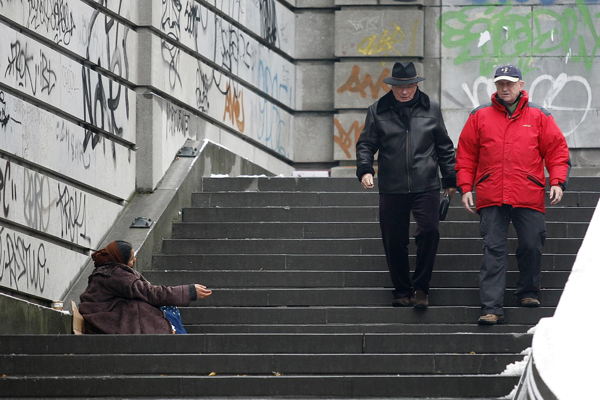
Illustration © BELGA PHOTO LUC CLAESSEN
Related news