Quarter of Brussels residents at risk of poverty as extreme hardship rises

A quarter of residents in Brussels-Capital Region are at risk of poverty, while extreme poverty is also rising sharply, according to the latest figures from the Health and Well-being Observatory’s 2025 Well-being Barometer. The findings point to growing pressure on living conditions, with significant consequences for health and education.
In 2025, 23 per cent of Brussels residents were at risk of poverty, compared with 7 per cent in Flanders and 13 per cent in Wallonia. Six of the country’s ten lowest-income municipalities are located in Brussels: Saint-Josse-ten-Noode, Sint-Jans-Molenbeek, Anderlecht, Koekelberg, Schaerbeek and the City of Brussels.
Despite having a much smaller population than Flanders, Brussels recorded 47,304 recipients of social welfare in 2025, slightly more than the 45,616 in Flanders. The share of working-age residents receiving such support has risen from 3 per cent in 2002 to nearly 7 per cent in 2025, compared with 1.5 per cent in Flanders and 4 per cent in Wallonia. The planned time limit on unemployment benefits is expected to further increase this number.
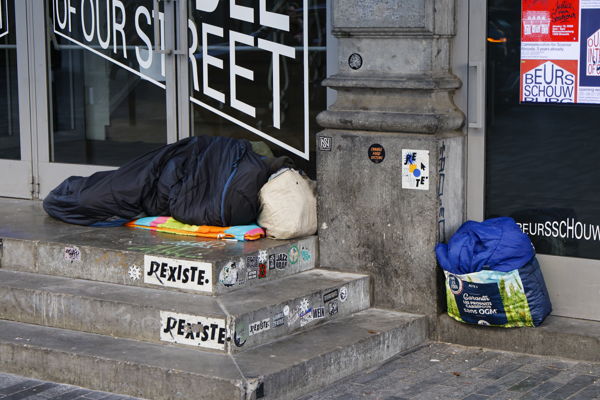

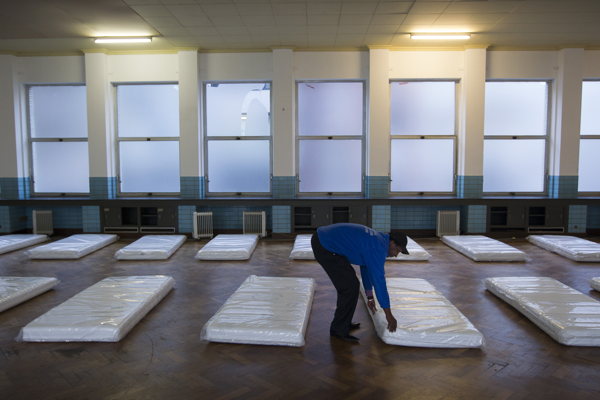
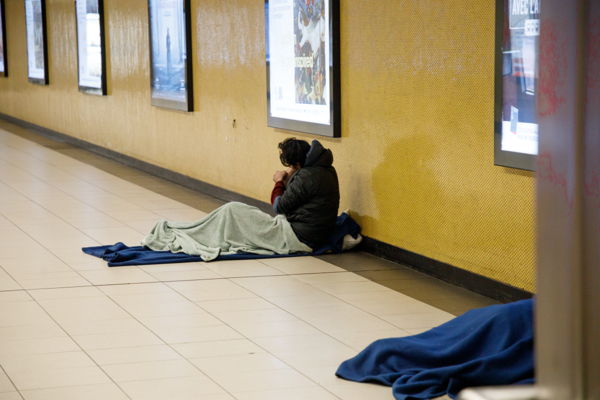
Extreme poverty is also becoming more visible. The barometer estimates that more than 50,000 undocumented people live in Brussels, around 4 per cent of the population. Meanwhile, Bruss’Help recorded 9,777 homeless or inadequately housed people in 2024, an increase of more than 25 per cent in two years.
Housing costs deepen hardship
Housing costs remain a major burden. On average, Brussels residents spend more than a fifth of their income on housing, rising to over half for the poorest 20 per cent. This leaves little more than ten euros per person per day for food, transport and other basic needs.
Waiting lists for social housing continue to grow, with 55,572 families registered at the start of 2025, often facing waits of more than a decade. Housing conditions are also a concern, with 24 per cent of residents living in substandard accommodation and 30 per cent in overcrowded housing.
These inequalities have a direct impact on health. Life expectancy differs by nearly five years between the richest and poorest municipalities. Chronic conditions such as diabetes are three times more common among the poorest fifth of the population.
Mental health remains a concern, with nearly one in five residents reporting symptoms of anxiety or depression, particularly among young people and those in precarious situations.
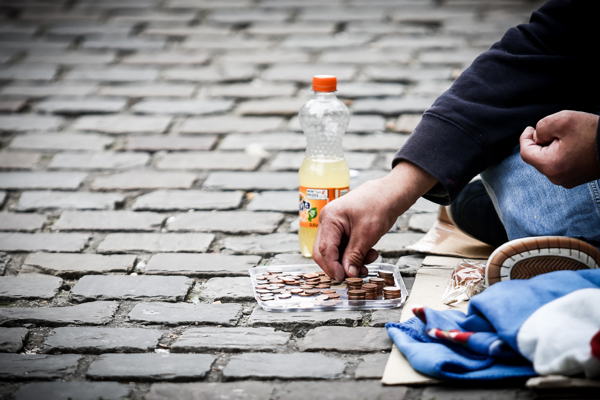

Children are especially affected. In Brussels, one in three grows up in a household at risk of poverty, with clear consequences for education. In Saint-Josse-ten-Noode, 24 per cent of secondary school pupils are at least two years behind their expected level, compared with 8 per cent in Woluwe-Saint-Pierre.
School absenteeism is also rising, with more than 21 per cent of pupils missing at least nine half-days without justification, compared with 14 per cent in Flanders and 15 per cent in Wallonia. In some disadvantaged areas, this affects as many as one in four pupils, with figures doubling in Brussels over the past three years.
© PHOTO HANS LUCAS COLLECTION
Related news