Number of tuberculosis cases in Belgium rises by 10 per cent, Brussels hard hit

The number of tuberculosis cases in Belgium rose by around 10 per cent in 2024 compared with the previous year. The Brussels-Capital Region has been particularly hard hit. This was reported by the organisations Damiaanactie and BELTA in the run-up to World Tuberculosis Day, which falls on 24 March each year.
In 2024, over 950 new infections were recorded in Belgium. The national average stands at 8.1 infections per 100,000 inhabitants. In the Brussels-Capital Region, that figure is almost three times higher, at 22.4 cases per 100,000 inhabitants.
Globally, tuberculosis remains the deadliest infectious disease. According to figures from the World Health Organisation, approximately 10.7 million people are infected each year and more than 1.2 million die because of the disease.
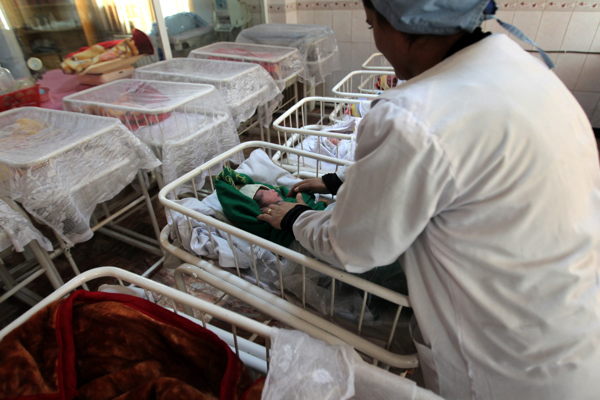

“If we want to end tuberculosis in Belgium, we cannot ignore the international context,” stated Pascale Barnich, general manager of Damiaanactie. A decline in global funding for prevention and care could lead to five million additional infections and two million preventable deaths between 2025 and 2035. “Greater spread in the rest of the world will inevitably have consequences for Belgium too,” warned Barnich.
“Greater spread in the rest of the world will have consequences for Belgium too"
In addition, poverty and the social environment play a major role. In Belgium too, tuberculosis mainly affects people living in poverty, who lack stable housing and have difficulty accessing healthcare. Damiaanactie and BELTA therefore advocate a sustainable and integrated approach. “Every person, regardless of their socio-economic situation, must have access to high-quality healthcare,” the organisations declared.
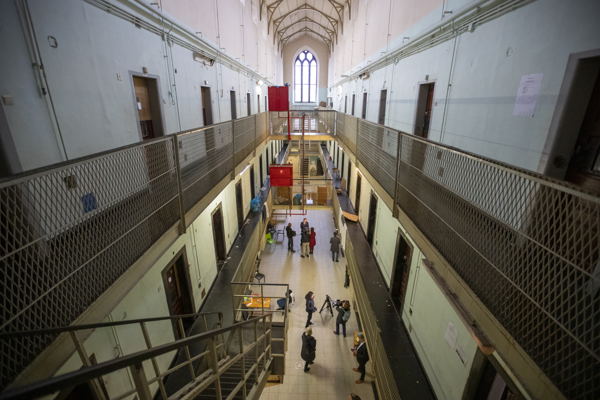

In Brussels, BELTA, with support from Damiaanactie, provides accommodation at a residence of “Het Huizeke”, where more than 50 people have been housed over the past five years. In addition to housing and appropriate medical treatment, residents also receive social support. Food aid is also available for patients in need.
‘In our project with Damiaanactie, we see that social support really makes a difference: the success rate in Brussels is approaching 85 per cent, which is significantly better than before. In some years, we even achieve a 100 per cent recovery rate among the people we support,” underlined Wouter Arrazola de Oñate, public health director at the expertise centre Respiratoire Gezondheid (Respiratory Health).
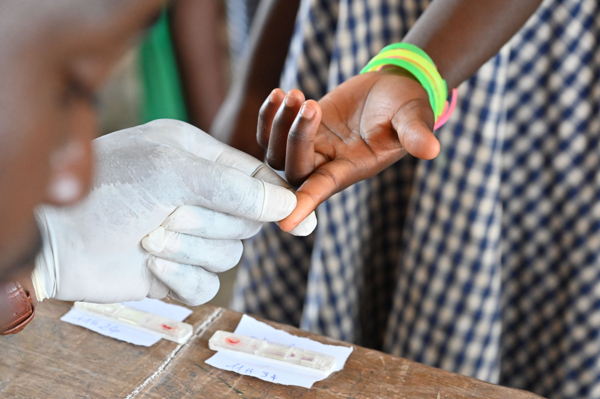
Tuberculosis screening at a health centre in the Philippines © PHOTO JAM STA ROSA / AFP
Related news