Child mortality set to rise for first time since 2000

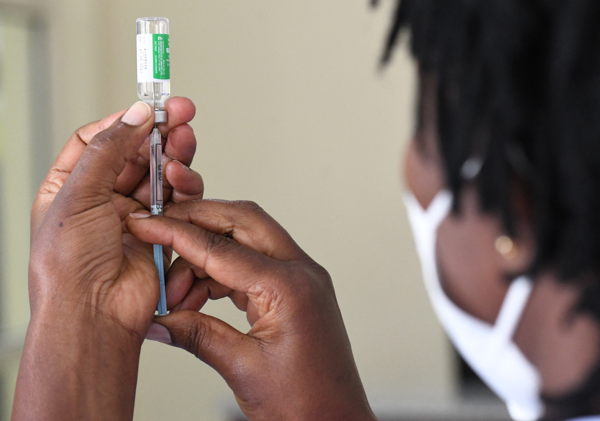
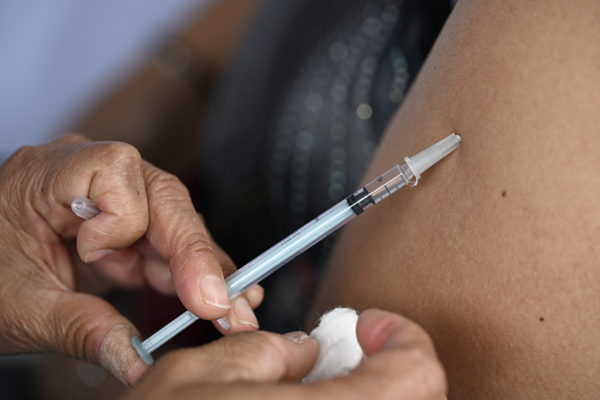
Global child mortality is at risk of rising for the first time since the turn of the century, according to a new report commissioned by the Gates Foundation and published on Thursday. Researchers predict that the number of children dying before their fifth birthday will increase this year from 4.6 million to 4.8 million.
The foundation, led by American philanthropist Bill Gates (70), is one of the world’s major funders of global health and development initiatives. It supports large-scale programmes tackling diseases such as HIV, tuberculosis and malaria, as well as vaccination efforts in low-income countries.
Funding cuts threaten global health efforts
However, global development aid for healthcare has dropped sharply, down 26.9 per cent compared with last year. Many countries are also struggling with high debt burdens and fragile health systems. According to the report, this combination threatens to reverse years of progress against diseases like malaria, HIV and polio, potentially leading to millions more childhood deaths in the coming decades.
Despite these challenges, Gates says that targeted investment can still make a powerful difference. He highlights primary healthcare, expanded and improved routine vaccinations and the smarter use of data to focus interventions precisely where they are needed most.
The report argues that primary healthcare alone could prevent up to 90 per cent of child deaths for less than 100 USD per person per year. With effective allocation of available resources, malaria and pneumonia could be eliminated as causes of death in children.
Belgian cuts to development cooperation
The warning comes at a moment when Belgium is moving in the opposite direction, with both regional and federal governments announcing major reductions in development cooperation. In September, during the 2026 budget talks, the Flemish government unveiled significant cuts to its development policy, while earlier this year the federal government confirmed a 25 per cent reduction in its own development cooperation budget.
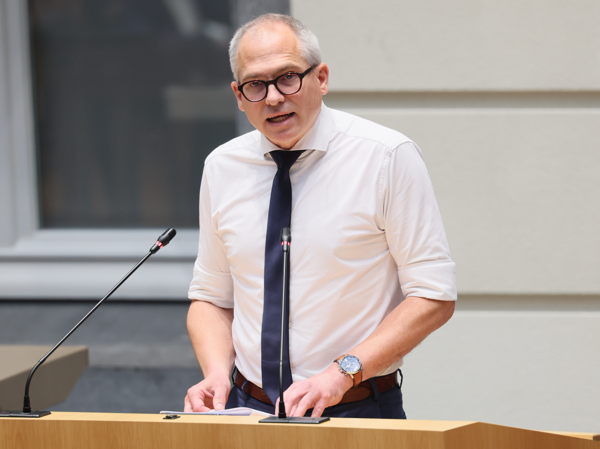

While such cooperation provides life-saving humanitarian aid in the short term, it also addresses the structural causes of conflict and instability, such as poverty, inequality and weak rule of law.
As part of its budget adjustments, Flanders plans to scale back its development policy to one-off interventions responding to acute emergencies. The region currently spends around 15 million euros annually on long-term partnerships with Mozambique, Morocco and Malawi. The agreement with Mozambique has now expired and will not be renewed, and funding for the other two countries will also be phased out.
© PHOTO BEHROUZ MEHRI BEHROUZ MEHRI / AFP
Related news