Most Flemings see value in emergency kits, but few have one at home
.jpg)
Only four per cent of people in Flanders have a complete emergency kit at home, according to a survey published on Tuesday by Red Cross Flanders. Although most respondents said they see the value of such a kit, few have actually assembled one.
The survey follows an awareness campaign launched by Red Cross Flanders in December 2025 on emergency preparedness. Since then, the organisation has sold around 15,000 emergency kits.
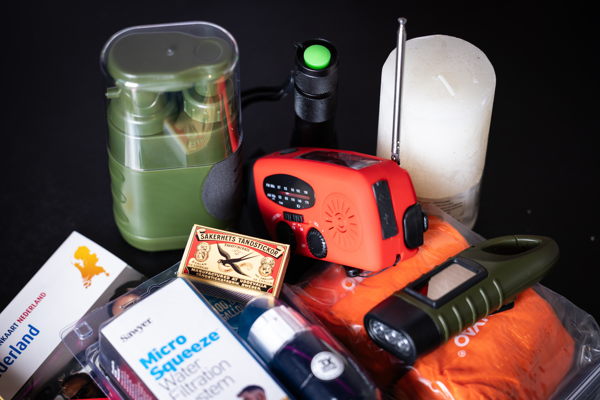

Still, preparedness remains low. While 58 per cent of respondents said an emergency kit is useful, only four per cent reported having a fully stocked one at home. Another 13 per cent said they had gathered some basic supplies, such as a torch, bottled water or a first aid kit.
Prepared for 72 hours
Emergency kits are designed to help households manage independently for up to 72 hours during crises such as floods, power cuts, severe weather, cyberattacks or industrial incidents.
According to Red Cross Flanders, many people already own some of the recommended items, but they are often spread throughout the house rather than stored together and ready to use.
The organisation has therefore published a checklist including essentials such as a first aid kit, torch, rechargeable radio, bottled water and non-perishable food.
“Most people have non-perishable food items, such as canned goods and biscuits, in stock, but it is striking that only two out of ten Flemings have enough bottled water at home,” said spokesperson Vincent Verbeecke.
“Should we be faced with a supra-local or systemic crisis, 80 per cent of Flemings will not have drinking water available. In an emergency situation, people can go without food for a few days, but not having water is really not an option. This, therefore, places immense pressure on the emergency services to cope with this.”
Scepticism remains
The survey also suggests that some Flemings still view emergency preparedness campaigns as alarmist.
“There is doubt among a portion of Flemings regarding the impact of risks such as power outages or floods,” Verbeecke said. “In itself, it is also a healthy attitude to approach things critically.”
“For example, the scenario of us becoming actively involved in a conflict is unlikely, but unfortunately, power outages, floods, or cyberattacks on certain critical facilities are not. Should something like that occur, it will be too late to prepare.”
According to Red Cross Flanders, proceeds from the emergency kits support disaster relief operations and free first aid services. Its online emergency checklist has already been downloaded more than 10,000 times.
#FlandersNewsService | © PHOTO LAURENS VAN PUTTEN / HOLLANDSE HOOGTE / ANP
Related news