Middle East conflict puts Belgium’s fuel price cap system under pressure

Belgium’s fuel pricing system, designed to protect consumers from volatility, is coming under increasing strain. Industry representatives warn that the current model is no longer aligned with market realities and could threaten the country’s fuel supply.
Belgium is one of the few European countries, alongside Luxembourg, to maintain a system of maximum prices for petroleum products. The system dates back to the oil crisis of the early 1970s and was intended to safeguard the country’s supply. Under this model, fuel prices are capped, while a correction mechanism known as the K-factor is used to limit sharp increases for consumers.
However, the mechanism is facing growing criticism from within the sector. Brafco, the representative body for fuel traders and petrol station operators, and Energia, which represents the petroleum sector, have warned the parliamentary committee on Energy that margins are being eroded.
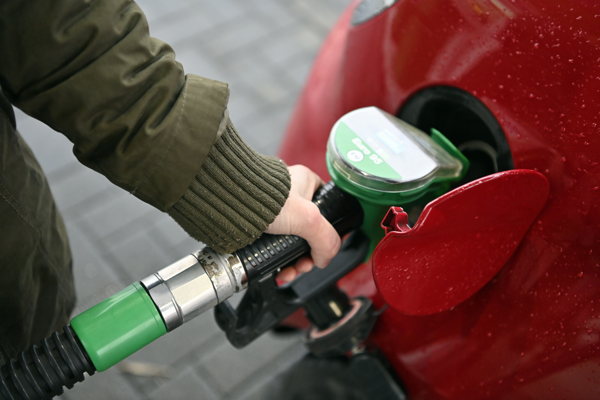
Traders say they are being squeezed between high wholesale prices and regulated retail prices. They must purchase diesel, petrol and heating oil on international markets at elevated prices, driven in part by the conflict in the Middle East, but are required to sell at fixed maximum prices.

"Out of touch with reality"
According to Brafco director Johan Mattart, this has left Belgian fuel prices artificially low and "out of touch with reality". He warned that the system could ultimately threaten supply, as some petrol stations may be forced to close due to sustained losses.
The situation is further exacerbated by fuel tourism, whereby drivers from neighbouring countries take advantage of Belgium’s comparatively lower regulated fuel prices. Petrol stations near the Dutch border are experiencing particularly long queues of cars and trucks.
Energia secretary-general Wim De Wulf said that since the start of the conflict in the Middle East, the sector has effectively pre-financed around 100 million euros through price moderation mechanisms, only part of which is expected to be recovered.
Both Brafco and Energia are therefore calling for the K-factor to be abolished. Brafco also wants the current system of maximum prices to be replaced with guide prices. "We must ensure supply and delivery through a market-based pricing mechanism," Energia said.
© BELGA PHOTO NICOLAS MAETERLINCK
Related news