Forgotten women artists return to the spotlight at Ghent’s MSK this weekend

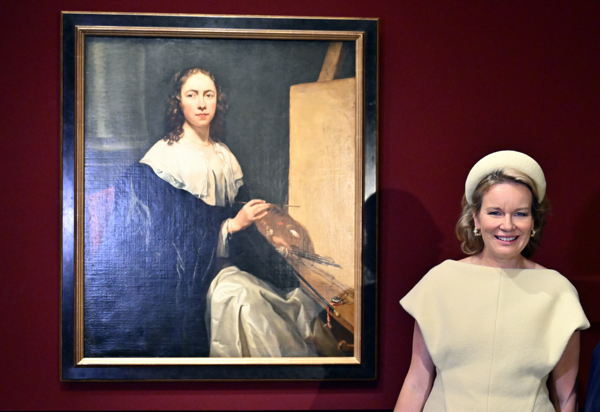
The Museum of Fine Arts Ghent (MSK) will place often-overlooked women artists from the 17th and early 18th centuries back in the spotlight this weekend. Unforgettable: Female Artists from Antwerp to Amsterdam, 1600–1750 brings together nearly 150 works by around 40 female artists, revealing a rich artistic landscape that has long remained in the shadows of art history.
From floral still lifes and historical scenes to portraits, sculptures and intricate lacework, the exhibition highlights the extent of artistic production by women working in the Low Countries during the early modern period. Artists featured include Clara Peeters, Judith Leyster, Maria van Oosterwijk, Michaelina Wautier and Louise Hollandine van de Palts. Several works have been loaned from international museums and private collections.
The show is the result of three years of research by curator Frederica Van Dam and her team, who combed through literature, archives and museum storage rooms.
Through the exhibition, the museum aims to correct long-standing imbalances in art history and place these artists on equal footing with their male contemporaries. Messages woven throughout the display reinforce that goal, with lines such as “Once suppressed, never forgotten,” “Not a footnote, but a chapter” and “The old ‘masters’ were women too”.
Why were they forgotten?
Many of the women featured were well-known and respected during their lifetimes. Their disappearance from mainstream art history happened gradually, for several reasons.
According to Van Dam, authorship was often obscured. “Numerous works are signed by men, but women certainly actively contributed to them in the studio,” she said. “A painting company like that had to have a ‘signature’, and that was usually the father or brother. Only when such a pater familias passed away could women sometimes be known under their own name.”
As a result, many works created by women were either left unsigned or attributed to male relatives, making their rediscovery a complex process for modern researchers.
Michaelina Wautier
Among the most striking figures in the exhibition is Michaelina Wautier, a 17th-century painter from Mons who worked in Brussels. Wautier was unusual for her time in that she tackled ambitious subjects normally reserved for male artists, including large-scale historical and religious scenes.

Anna Roemers Visscher
The exhibition also highlights the work of Anna Roemers Visscher, who moved easily between artistic disciplines. Known primarily as a poet, Visscher was also admired for her delicate engravings on glass and for her refined calligraphy.

Louise Hollandine van de Palts
Another notable figure is Louise Hollandine van de Palts, a German-born princess who developed a reputation as a skilled painter. Trained in the artistic circles of the Dutch Republic, she produced religious and historical works influenced by major painters of the era.
Later in life, she entered a convent and became abbess, but her artistic production remains an intriguing example of how women of high social rank also participated in the cultural life of the period.

Alongside the historical works, the exhibition features a monumental contemporary installation by a collective of female artists from the Netherlands and abroad. Enormous strips of latex hang from the ceiling, each bearing the names of 179 women artists from the past.
A free smartphone audio tour is available in two versions: a shorter 25-minute route and a more detailed 65-minute exploration.
Unforgettable: Female Artists from Antwerp to Amsterdam, 1600–1750 runs at the Museum of Fine Arts Ghent from 7 March to 31 May.
#FlandersNewsService | Michaelina Wautier's Twee meisjes als de heiligen Agnes en Dorothea, ca 1650 © BELGA PHOTO TIJS VANDERSTAPPEN
Related news