EU imports of Russian LNG reach highest level since 2022, study says
.jpg)
Imports of Russian liquefied natural gas (LNG) into the European Union reached their highest level since 2022 in the first quarter of this year, according to a study published on Wednesday by the Institute for Energy Economics and Financial Analysis (IEEFA). The report underlines Europe’s continued dependence on Russian gas as conflict in the Middle East disrupts global energy supplies.
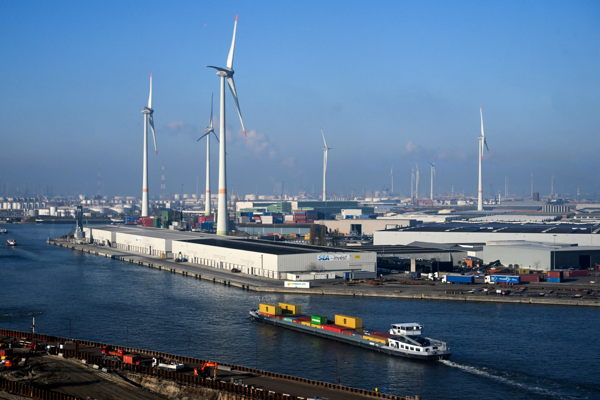
Driven by imports into France, Spain and Belgium, EU purchases of Russian LNG rose by 16 per cent year-on-year to 6.9 billion cubic metres in the first quarter of 2026, the think tank said. Imports also increased by 17 per cent in April compared with the same month last year.
Since Russia’s invasion of Ukraine in 2022, the EU has tried to reduce its reliance on Russian pipeline gas by importing more LNG from other suppliers. According to the European Commission, LNG accounted for 45 per cent of EU gas imports in 2025.
Russia still major supplier
Despite diversification efforts, Russia remains the EU’s second-largest LNG supplier. The European Commission nevertheless plans to ban all Russian gas imports by autumn 2027 in an effort to cut off funding for Moscow’s war in Ukraine.
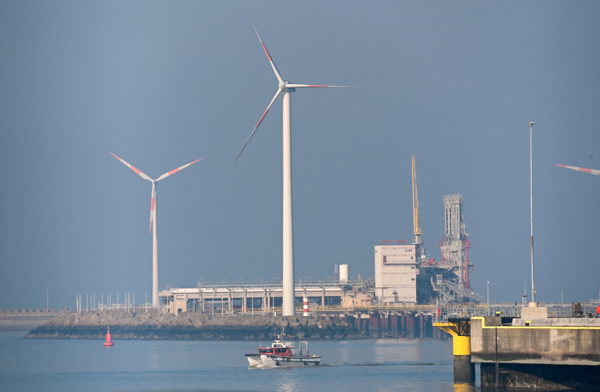

At the same time, Europe has sharply increased imports of American LNG. According to the IEEFA, the United States is “on track to become the continent’s main gas supplier in 2026”.
In the first quarter, Norway remained the EU’s largest overall gas supplier with a 31 per cent share, followed by the United States with 28 per cent and Russia with 14 per cent, according to European Commission data covering both LNG and pipeline gas.
“LNG has become the Achilles heel of Europe’s energy security strategy"
“The transition from pipeline gas to LNG was meant to ensure security of supply and diversification. However, the disruptions caused by the war in the Middle East and excessive dependence on US LNG show that the European plan has failed on both fronts,” said IEEFA analyst Ana Maria Jaller-Makarewicz.
“LNG has become the Achilles heel of Europe’s energy security strategy,” she added, cautioning that Europe is increasingly exposed to high prices and supply disruptions.
According to the think tank, the EU could source up to 80 per cent of its LNG imports from the United States by 2028.
© BELGA PHOTO NICOLAS MAETERLINCK
Related news