EU and Hungary reach agreement on release of 16 bn euros in frozen funds

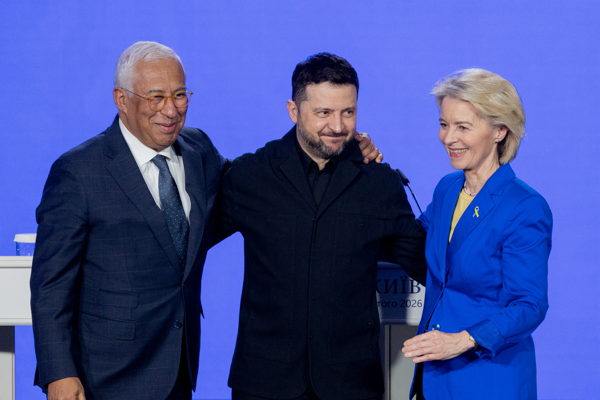
The European Union and Hungary have reached a political agreement on the release of 16.4 billion euros in frozen funds. This was announced by European Commission president Ursula von der Leyen and Hungarian prime minister Peter Magyar on Friday during a press conference.
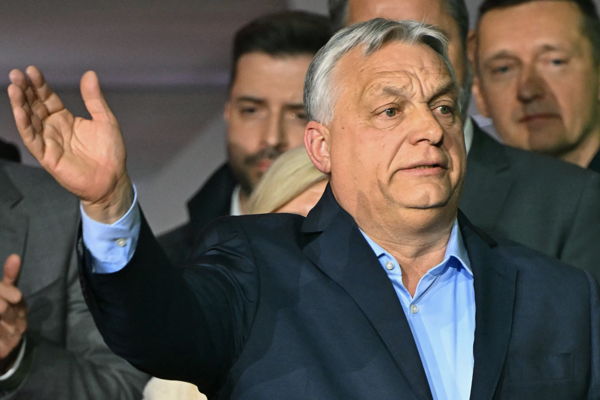
Both parties have agreed on a framework that ensures the necessary reforms in the fight against corruption and for the rule of law, according to Von der Leyen. She also welcomed the “wind of change” blowing through Hungary. Magyar took over from Viktor Orban as prime minister three weeks ago, following his victory in the 12 April elections.
Over the years, the European Union has frozen billions of euros in cohesion and COVID-19 recovery funds for Hungary due to various disputes with the Orban government, including issues surrounding corruption and breaches of the rule of law. Magyar, who inherited a struggling economy from Orbán, promised during his election campaign that he would do everything in his power to secure the release of the funds.

The agreement reached centres specifically on 10 billion euros in funds from the COVID-19 recovery fund, 4.2 billion euros in cohesion funds linked to fundamental values, and 2.2 billion euros in cohesion funds linked to academic freedom. Hungary and the Commission have drawn up a whole list of reforms and investments that Budapest must implement in order to release that money.
For instance, Hungary has decided to join the European Public Prosecutor’s Office (EPPO) and to strengthen the integrity authority in the fight against corruption, and Budapest will phase out the “public interest fund”, through which the government had gained an ever-greater grip on the economy. It has also been agreed that Hungary will invest in areas including energy, housing, transport and SMEs.
“The previous government lied about the European Union and the real reasons behind the blocking of European funds,” Magyar stated during the press conference with Von der Leyen. “It said this was due to differing views on illegal migration, the war in Ukraine and certain human rights issues. But we have always said that the real reason was corruption on an unprecedented scale,” said Magyar.

There is no clear timeline yet for the release of the funds, but time is running out for the COVID-19 Recovery Fund. It is due to be shut down at the end of this year, and Hungary must submit a payment request by the end of August.
It is expected that Budapest will submit a revised national plan next week, setting out new reforms and milestones, which must then be approved first by the Commission and then by the member states, likely by mid-July. Hungary will then have until the end of August to complete the reforms and must provide evidence of this by the end of September, so that the Commission can analyse everything and transfer the funds by the end of the year.
Press conference of European Commission president Ursula von der Leyen and Hungarian prime minister Peter Magyar © PHOTO Leonie Asendorpf/dpa