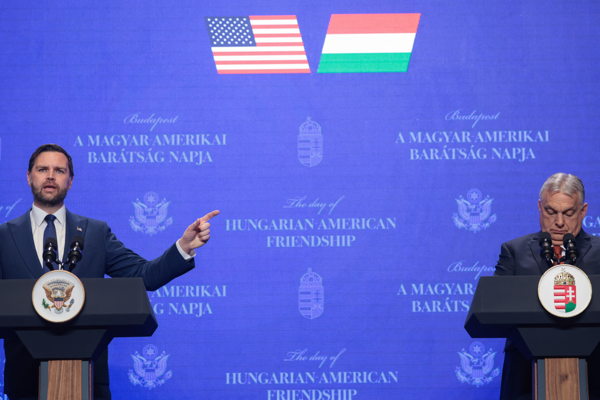
Orban’s defeat could shift EU dynamics

The election loss of Viktor Orban after 16 years in power marks a significant moment for the European Union. His defeat raises hopes of smoother cooperation, but fresh challenges remain ahead.
Orban had long frustrated EU leaders by blocking key decisions, including financial support for Ukraine and sanctions against Russia. His government’s close ties to Moscow and frequent use of veto powers often stalled progress in Brussels.
The victory of opposition leader Peter Magyar and his Tisza party is expected to ease some of these tensions. He has signalled a more cooperative approach towards the EU and NATO, and is likely to approve a 90 billion euro loan to Ukraine that had been held up.
For the EU, this could mean faster decision-making and fewer internal deadlocks. Leaders such as Ursula von der Leyen welcomed the result as a chance to strengthen unity across the bloc.

However, change will not be straightforward. Hungary may still disagree with EU policies on energy - Maygar has said that Russian energy still needs to be an option - and migration.
There are also concerns about how quickly Hungary can shift direction. Orban’s allies remain embedded in key institutions, and undoing years of political and legal changes will take time.
Economically, the new government is expected to try to unlock billions of euros in EU funding that were frozen over rule-of-law concerns. This could support Hungary’s recovery after years of high inflation and low wages.
Orban’s defeat is also symbolically important. His model of “illiberal democracy” had influenced populist movements in Europe and worldwide, and his exit may weaken that trend.
© PHOTO ATTILA KISBENEDEK / AFP
Related news