Belgian court backs rail employer over strike notice refusal

Belgium’s highest administrative court, the Council of State, has refused, in an emergency procedure, to overturn a ban on railway strike notices planned for 5, 10 and 12 February. It said the unions failed to prove the case was urgent.
Rail unions ACV Transcom and ACOD Spoor had filed the notices so staff could join wider protest actions against the government’s pension reforms. However, HR Rail, the joint personnel service for SNCB/NMBS and infrastructure manager Infrabel, rejected them on procedural grounds and because it said the strikes would be “disproportionate and irresponsible”. At the time, a five-day rail strike was already under way.
In its ruling, the court said the unions had not clearly shown why their right to strike could not be exercised, and therefore did not meet the strict conditions for an urgent suspension of HR Rail’s decision. Judges stressed that the only risk cited (possible disciplinary or administrative sanctions against staff who might strike anyway) was not explained in enough detail.
The Council of State did not rule on whether the refusal itself interfered with the right to strike.
The unions said they were still studying the judgment. “Of course we are not satisfied. The ban on striking remains in place”, said Tony Fonteyne of ACOD Spoor.
HR Rail confirmed its position, warning that if staff walk out on the planned days, internal rules will apply. This could mean railway workers being classed as unlawfully absent.
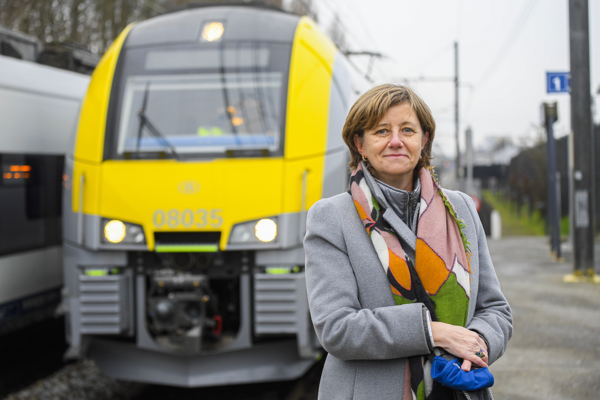

The decision comes amid growing tension in Belgium’s rail sector. SNCB chief executive Sophie Dutordoir and Mobility minister Jean-Luc Crucke have both criticised the frequency of strikes and have called recent action unreasonable.
Rail workers have staged more than 30 strike days since early 2025, mainly in protest against pension reforms and plans to end permanent contracts for new recruits. The government argues the changes are needed to prepare for EU rules that will open Belgium’s passenger rail market to competition by around 2032. Unions, however, fear for job security and working conditions.
© BELGA PHOTO HATIM KAGHAT