SNCB CEO: ‘Strike action is really no longer reasonable’

The CEO of Belgium’s national railway operator SNCB/NMBS has expressed growing frustration over the frequency of railway strikes. In an interview with VRT NWS, Sophie Dutordoir urged trade unions to return to the negotiating table and finalise a social pact that would “strongly define” the contracts of future employees.
Since January last year, SNCB has recorded 31 strike days, as staff and unions protest against pension reforms and the abolition of permanent appointments for new hires.
Mobility minister Jean-Luc Crucke of Les Engagés reached preliminary agreements with unions on two occasions last year, but these were rejected by union members. Crucke has since halted consultations and pushed his draft legislation through the Council of Ministers, signalling what he has described as the end of negotiations.
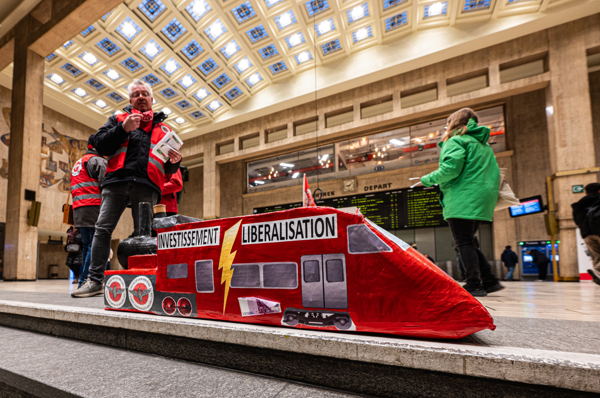

Dutordoir argued that the transition from permanent appointments to a contractual employment system was essential if SNCB is to be prepared for 2032, when the EU will require domestic rail passenger markets to be opened to competition. “We are currently the only railway company in Europe that is not yet hiring contract workers,” she told VRT NWS.
“I don't underestimate the changes for my employees, but what's happening today is truly unacceptable,” she said in reference to the ongoing strikes. She warned that the action was harming not only passengers but also the government and the railway company itself through reputational and financial damage.
Move towards liberalisation
“This liberalisation of the domestic rail market is coming, whether we like it or not. So we're going to have to fight to maintain our current position,” Dutordoir said. She again called on unions to resume talks and negotiate a social pact for employees hired on contractual terms from mid-June.
The liberalisation of domestic rail transport refers to EU rules requiring Belgium to open its passenger rail market to competition by around 2032, ending SNCB's exclusive position. Train services would then be awarded through competitive tenders, allowing other public or private operators to bid for routes.
SNCB management argues that shifting from permanent appointments to contractual employment is necessary to remain competitive in this open market, while unions fear the reform will undermine job security and working conditions.
Check the status of trains or alternative services for 29 and 30 January here.
SNCB/NMBS CEO Sophie Dutordoir © BELGA PHOTO LAURIE DIEFFEMBACQ
Related news