Belgian coast sees seal comeback, but pressures on the North Sea persist

Seals have returned to the Belgian coast in growing numbers, with animals now routinely seen resting on beaches. Their presence, once unthinkable after decades of decline, is widely celebrated. Yet, behind the idyllic scenes lies a more complicated picture of ecological recovery, persistent threats and political tension across the wider North Sea.
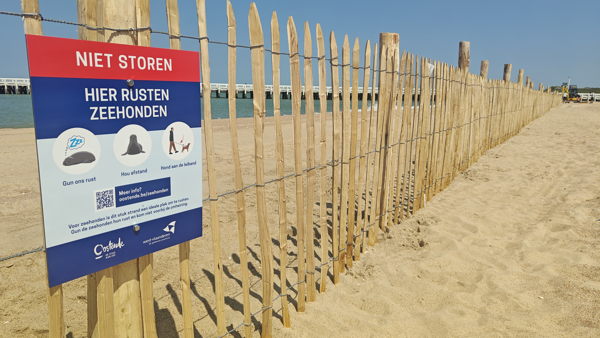
Harbour seals and grey seals were nearly extirpated from Belgian waters by the mid-20th century due to hunting, pollution and overfishing. Recovery began only after legal protection, rehabilitation programmes and improved water quality took hold. Numbers have risen steadily since, prompting the closure of beach sections, regular patrols by the NorthSealTeam and awareness campaigns urging visitors to keep their distance.
Despite the apparent success, mortality remains significant. The Royal Belgian Institute of Natural Sciences recorded 374 dead seals between 2005 and 2020, with a sharp rise to 101 in 2021. More than half bore injuries caused by fishing gear. Young animals are particularly vulnerable to entanglement in gillnets set on the seabed for hours at a time.
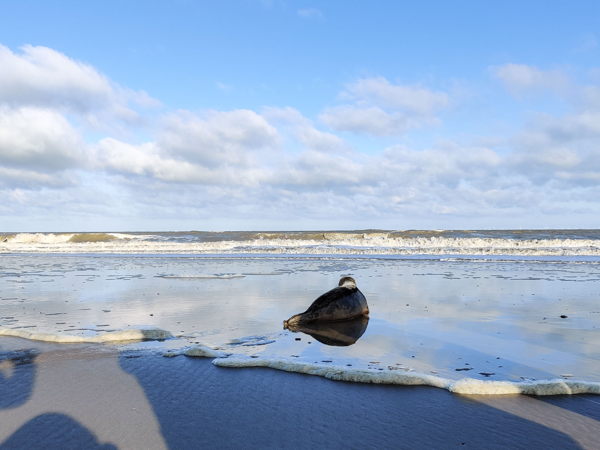

Gillnets are vertical panels of mono- or multifilament mesh that act as passive entrapment gear. Fish swim through the net until their gill cover becomes caught in the mesh. However, for mammals, the low-visibility mesh forms an almost invisible barrier. Once an animal's head or flippers become snagged, it is extremely difficult to escape, and prolonged entanglement often leads to drowning or severe lacerations. Due to their static deployment and large surface area, they continue 'fishing' even when unattended.
“Gillnets appear less destructive than beam trawls, but they pose a major hazard to marine mammals,” said marine biologist Jan Haelters. Deterrent devices reduce bycatch of porpoises, but effective tools for seals do not yet exist.
20,000 pieces of marine litter
Pollution compounds the pressure. Routine surveys of the North Sea seabed find around 20,000 pieces of litter per square kilometre, with much of it being ropes and torn net fragments. Microplastics and chemical residues accumulate in fish and other prey species, contaminating the food chain in the process. Noise from shipping, naval sonar, and construction work for offshore wind farms also interferes with the feeding and resting areas of seals and porpoises. The long-term consequences of these combined stressors are still difficult to quantify.
Legally, seals enjoy strong protection. Both species are covered by EU nature legislation (Habitats Directive) and by regional agreements for the North-East Atlantic (OSPAR). Implementation, however, is uneven. Reporting on bycatch remains incomplete and enforcement varies between states. While the North Sea shows signs of recovery, southern European populations are still declining. The Mediterranean monk seal, once widespread, has fallen to around 1,000 individuals.
The resurgence of seals has also triggered political debate. Fisheries representatives in the Baltic report damage to catches, and in 2024 the European Commission assessed whether the EU’s 2009 ban on seal products remained justified. Finland and Sweden continue to permit culls running into the thousands each year, while in the United Kingdom individual animals may be shot if they damage aquaculture facilities. Public support for protection remains strong: surveys indicate that four in five Europeans back the trade ban.
Expanding protection
Elsewhere in Europe, including Ireland and Denmark, populations continue to expand. But the balance between recovery and human activity is fragile. Belgium has introduced tighter controls on recreational gillnets, expanded protected coastal areas and strengthened environmental requirements under the 2022 Marine Environment Act. Around 36 per cent of the coastline and 22 per cent of beaches are now designated as protected, with further restrictions in reserves such as the Flemish Banks.
Scientists continue to track population trends and causes of mortality. “Aerial surveys and stranding records help us reduce human pressure,” Haelters said. Construction and dredging activities are increasingly shifted to periods with fewer animals.
The resurgence of seals underscores both the resilience and vulnerability of the North Sea’s ecosystems. Their return is a marker of recovery, but the contest for space, food and quiet waters is far from settled. Continued vigilance, monitoring and enforcement will determine whether the species can sustain its foothold in one of Europe’s most intensively used seas.
#FlandersNewsService | © John MACDOUGALL / AFP
Related News