75th anniversary Queen Elisabeth Competition reaches finale as cello winners set to be announced
%20Thomas%20Le%CC%81onard%20(6).JPG)
The winners of the 2026 Queen Elisabeth Competition for cello will be announced on Saturday evening, bringing to a close a week of finals at Bozar in Brussels featuring twelve young cellists from around the world.
75 years of the Queen Elisabeth Competition
The announcement comes during a milestone year for the prestigious Belgian music competition, which is celebrating its 75th anniversary. While the competition officially adopted the name Queen Elisabeth Competition in 1951, its origins date back to before the Second World War. At the initiative of music-loving Queen Elisabeth, an international competition was established in honour of her friend and violin teacher Eugène Ysaÿe. The first editions, held in 1937 and 1938, were won by Soviet musicians David Oistrakh and Emil Gilels.
Over the decades, the competition has grown into one of the world's most respected classical music contests. During the Cold War, competitors from the Soviet Union dominated many editions, producing winners such as pianist Vladimir Ashkenazy and violinist Philipp Hirschhorn. Since 2017, the competition has also included a cello discipline, making this year's event only the third Queen Elisabeth Competition devoted to the instrument.

Preparation in isolation
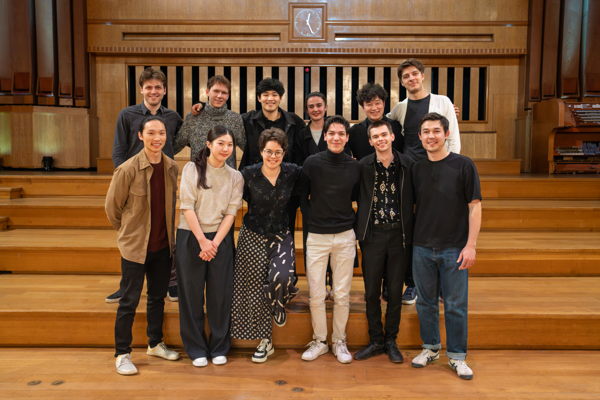
As in previous editions, the finalists spent a week in seclusion at the Queen Elisabeth Music Chapel in Waterloo before appearing in the final. One of the competition's most distinctive traditions requires finalists to prepare a newly commissioned compulsory work without contact with the outside world. Upon arrival, participants surrender their mobile phones and spend a week in what organisers often describe as a form of "musical quarantine".
Each finalist arrives exactly one week before their performance to study and rehearse the unpublished score. This year's compulsory work was Odes to the Tidings of Flowers by Chinese-American composer Fang Man. During their stay, the musicians worked intensively with coaches while remaining isolated from outside influences and public reaction.
Finals
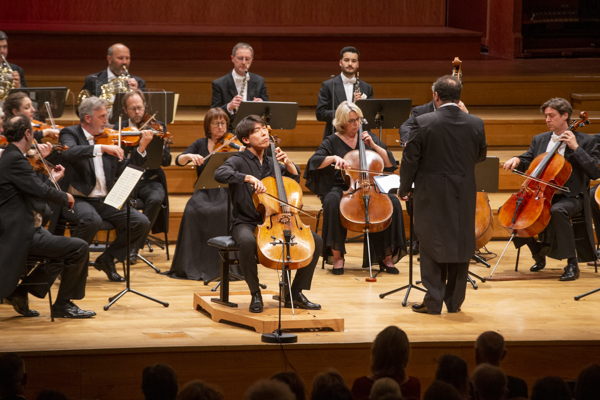
The final round has seen the twelve remaining candidates perform both the compulsory piece and a concerto of their choice with the Belgian National Orchestra under conductor Antony Hermus.
Among the names attracting the most attention from observers and competition followers are Polish cellist Krzysztof Michalski, Italian cellist Ettore Pagano and Russian cellist Maria Zaitseva. Michalski has been widely praised for his musical maturity and command of Shostakovich's First Cello Concerto, while Pagano impressed audiences with Prokofiev's demanding Symphony-Concerto. Zaitseva stood out for her choice of Henri Dutilleux's atmospheric Tout un monde lointain, a less conventional work that showcased her artistic individuality.

Other finalists generating strong interest include Japanese cellist Yo Kitamura and French cellist Clara Dietlin, both considered potential contenders for a place among the laureates.
No Belgian musician has ever won a first prize in the Queen Elisabeth Competition, although several Belgian candidates have achieved notable results throughout the competition's history.
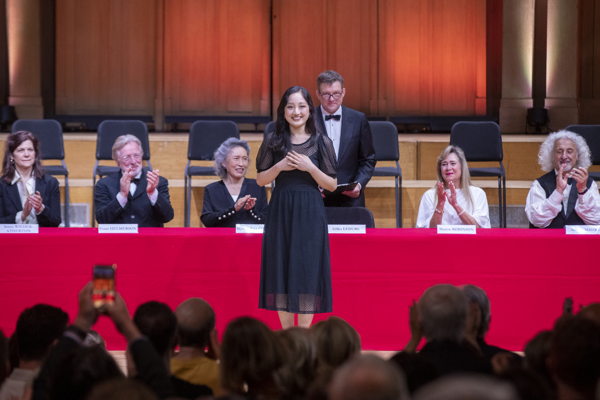
The jury's final verdict will be revealed late on Saturday evening following the last performance of the competition's final round.
Andrew Ilhoon Byun and Tae-Yeon Kim will give their final performances this evening at 20:15 and 21:45, respectively.
© PHOTO THOMAS LÉONARD
Related news