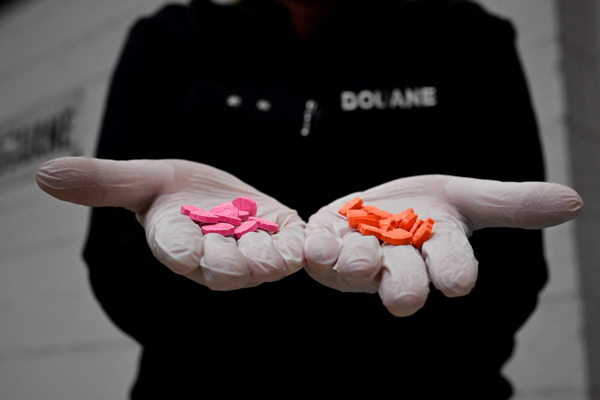
Sharp rise in drug couriers intercepted at Brussels Airport

A total of 123 drug couriers were caught at Brussels Airport in 2025 while attempting to smuggle narcotics into or out of Belgium, a 24 per cent increase compared with 2024, the Halle-Vilvoorde public prosecutor’s office reports. The rise is even more marked compared with 2023, when 28 couriers were intercepted.
Of the 123 cases last year, 93 concerned imports and 30 attempted exports. Cannabis accounted for the majority of offences, with 71 suspects apprehended. Thirty people were caught smuggling cocaine and 12 were carrying ketamine. The remaining cases involved synthetic drugs such as MDMA or heroin.
On average, around 20kg of drugs were seized per passenger, for a total of 2,574kg. Of that amount, 1,807kg was cannabis, 382kg cocaine and 268kg ketamine. In 93 per cent of cases, the drugs were concealed in hold luggage, often in false bottoms.
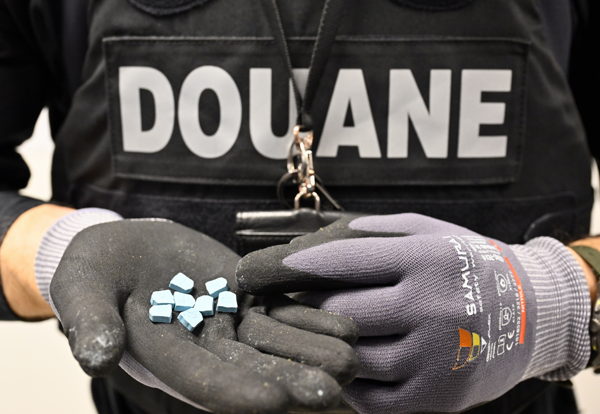

Many of the couriers have already been convicted. Cannabis smuggling typically results in prison sentences of up to 40 months, while cocaine offences can lead to sentences of up to 50 months. In the first weeks of 2026, customs intercepted eight passengers carrying a combined 112kg of cannabis, 64kg of ketamine and 68kg of XTC.
Six tonnes of cannabis
On the cargo side of the airport, authorities also recorded a sharp increase in cannabis seizures. Customs confiscated just over six tonnes of cannabis in 2025, compared with 770kg in 2024 and 70kg in 2023.
The Federal Judicial Police of Halle-Vilvoorde launched 11 major investigations in 2025 targeting criminal networks operating through the airport. The probes led to 31 arrests and 32 searches, and to the seizure of a further 1,823kg of cannabis and 141kg of cocaine.
According to the public prosecutor’s office, one possible explanation for the sharp rise in cannabis smuggling is the partial legalisation of the drug in countries such as Thailand, the US and Canada. This may make imports more attractive for criminal organisations than domestic cultivation.
© PHOTO BELGA PHOTO BRUNO FAHY
Related news