Sanctions lead to surge in Russian gas flowing into Belgium

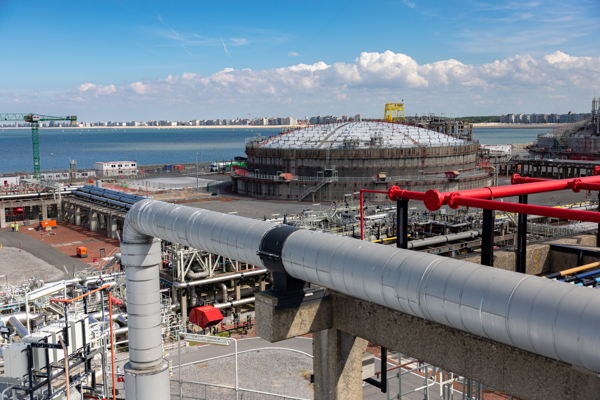
The European transit ban is resulting in significantly more Russian gas entering Belgium via Zeebrugge. On Thursday, it was reported that since the sanctions came into effect, Belgian net imports have increased by more than two-thirds.
A ban on the transit of liquefied natural gas (LNG) from Russia to destinations outside Europe has been in place at European ports since 27 March. This measure was part of the 14th sanctions package imposed by EU member states to target the financing of Russia’s war chest, but it has also led to substantially more Russian gas being diverted to Belgium. An analysis of the latest import figures from the Federal Public Service Economy confirms this trend.
In the seven months since the transit ban took effect, the Russian gas company Novatek, through its subsidiary Yamal LNG, has unloaded 35.2 terawatt hours of LNG in Belgium. With exports to Asia blocked, Russia is now redirecting this gas into the European grid. By comparison, over the previous three years, an estimated 20 terawatt hours of Russian LNG were injected into the Belgian grid each April and October, meaning net imports have now risen by more than two-thirds.

The transit ban was the first step in preparation for a total ban on Russian gas imports. This broader ban, agreed by the Member States and the European Parliament earlier this month, will not come into effect until 2027.
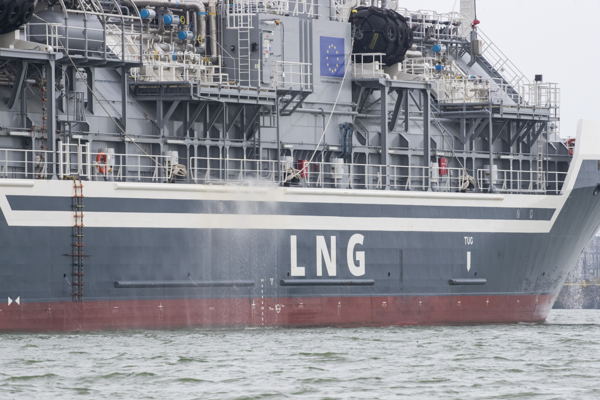
#FlandersNewsService | LNG oil tanker at Zeebreugge © PHOTO IMAGO
Related news