Report finds journalists working in increasingly hostile environment in Europe

Journalists in Europe are under increasing pressure from legal persecution, physical attacks, intimidation and transnational repression, according to the annual report of the Council of Europe’s Safety of Journalists Platform.
The number of incidents in the council’s 46 member states and in Russia and Belarus increased by 29 per cent last year compared to 2024.
The platform, an alliance of 15 international press freedom organisations, documented 344 serious cases of press freedom violations in 2025. In 2024, the figure was 266. Most incidents were reported in Russia, Turkey, Georgia, Serbia and Ukraine. The largest category of incidents concerns violence against journalists.
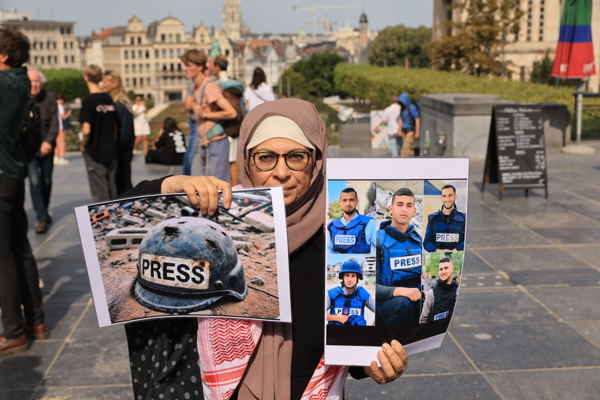
Russia’s war in Ukraine remains the most pressing threat. Last year, Ukrainian journalists Olena Gramova, Yevhen Karmazin and Tetjana Kulyk and French photographer Antoni Lallican were killed by Russian drones, while others disappeared or are being held in occupied territories. In Russia itself, Moscow is intensifying repression, and journalists who have fled are being sentenced in absentia.
Precarious conditions
The platform’s annual report, published on Tuesday, warns that states are also trying to strengthen their grip on the media by imprisoning journalists. At the end of 2025, 148 journalists and media workers were in prison in Europe. They include 36 in Azerbaijan, 32 in Russia, 27 in Belarus, 26 in Russian-occupied Ukrainian territories, 24 in Turkey, two in Armenia and one in Georgia.

According to the latest study by the Media Pluralism Monitor, only two of the 34 European countries analysed – Denmark and Germany – provide good working conditions for journalists. In five others – Belgium, Estonia, Finland, the Netherlands and Sweden – the risks associated with journalists’ working conditions remain limited.
Croatia, Greece, Hungary, Malta, Romania and Spain are characterised by very poor and precarious conditions.
Privatisation threat
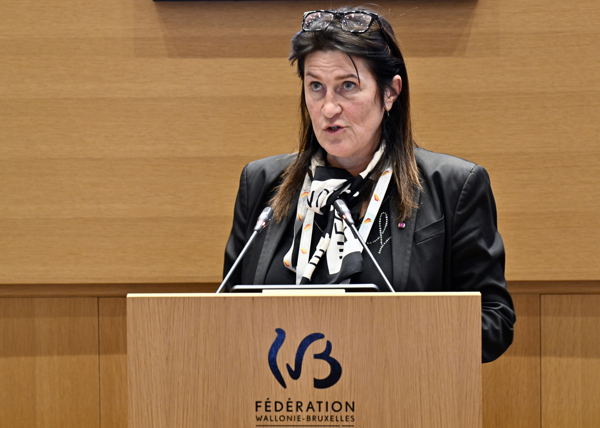
The report refers to a controversy in Belgium last year, when French-language public broadcaster RTBF was subjected to pressure from MR leader Georges-Louis Bouchez.
Bouchez publicly expressed his intention to privatise or even “abolish” RTBF and was criticised by the Association of Professional Journalists for “making unacceptable physical threats” against one of its colleagues in a leaked phone conversation with another RTBF journalist. He said his words had been misinterpreted.
The Safety of Journalists Platform was created in 2015 and operates through a network of associations, journalists’ federations and NGOs defending media freedom. These associations issue alerts that identify any serious threats to the safety of journalists and press freedom in Europe.
They expect the states concerned to respond in an attempt to resolve threats and prevent impunity for attacks against the press, but they see a worrying lack of action in this regard. Less than half of the alerts receive a response.
Demonstrators march in silence at the Szabadsag (Freedom) bridge in Budapest, Hungary, June 2025, in a protest against a planned law that would allow the government to sanction "foreign-funded" NGOs and media © PHOTO FERENC ISZA / AFP
Related news