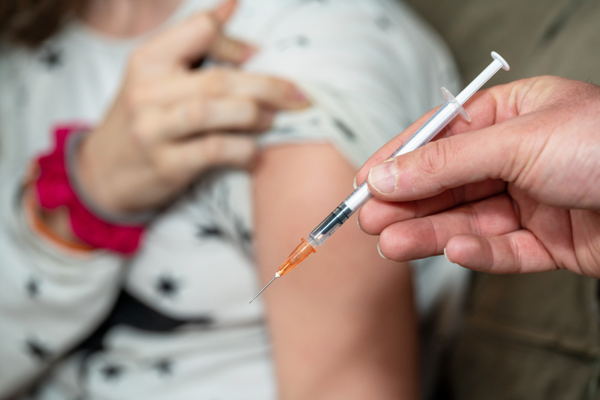
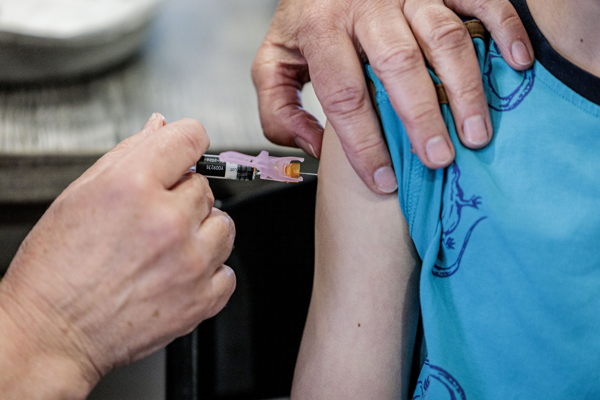
Record measles and whooping cough cases overshadow European Vaccination Week

In 2024, the European region of the World Health Organization (WHO), which is comprised of 53 countries across Europe and Central Asia, recorded a surge in measles and whooping cough cases, despite global progress through vaccination. The figures were released on Monday by the European Commission, the WHO and UNICEF at the start of the twentieth European Vaccination Week.
Setback despite long-term progress
Although the region has been polio-free since 2002 and cases of diseases such as rubella and diphtheria have declined dramatically in recent decades, the organisations warn of a significant setback. In 2024, more than 298,000 people contracted whooping cough, the highest number ever recorded. Measles infections also climbed sharply, exceeding 127,000 cases, the highest level in 27 years.
According to the WHO, this rise is linked to a lack of awareness, the spread of misinformation, and growing distrust in vaccines and governments. Weaknesses in vaccination programmes and primary care systems have also contributed.
Sharp rise and fall in Flanders
Flanders mirrored this trend. The Flemish Department of Care recorded 2,790 cases of whooping cough in 2024, more than double previous years and the highest figure since records began. However, in 2025, infections dropped sharply to just 307 cases.
Whooping cough can be fatal for infants. Caused by a bacterium, it typically begins with symptoms resembling a common cold before developing into severe coughing fits. In some cases, babies may briefly stop breathing, turning blue. During the summer of 2025, a vaccination campaign targeting pregnant women was launched in Flanders, enabling mothers to pass antibodies on to their unborn children.
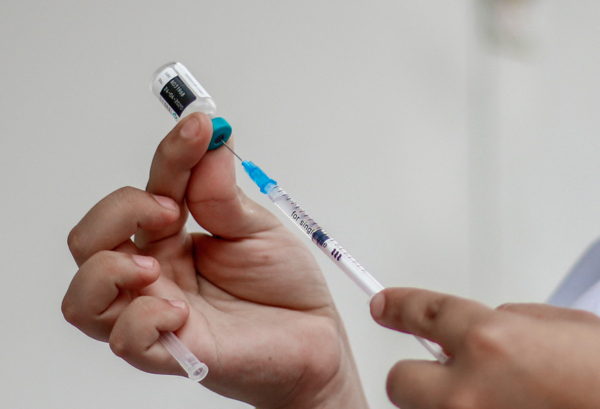

Measles cases continue to climb
Measles infections in Flanders have also risen markedly. From just 35 cases in 2023, numbers increased to 123 in 2024 and reached a record 229 in 2025. Nearly 80 per cent of infections occurred among unvaccinated individuals, with most cases affecting children aged between 0 and 9.
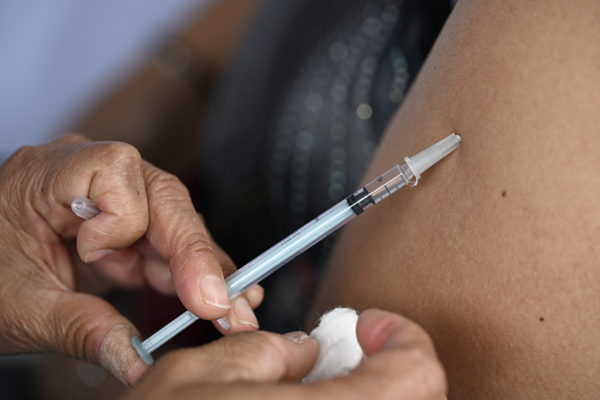

However, the Department of Health stresses that measles is not solely a childhood disease. Adults are also regularly hospitalised. Highly contagious, the illness presents with symptoms ranging from the characteristic red rash, beginning behind the ears and spreading across the body, to high fever, coughing and a runny nose. Serious complications can include pneumonia and encephalitis.
Vaccination remains crucial
Despite these setbacks, the long-term impact of vaccination remains overwhelmingly positive. Since 1974, vaccines have saved an estimated 154 million lives worldwide, according to the WHO. Between 2000 and 2024, rubella cases fell by more than 99 per cent, while diphtheria declined by 90 per cent and mumps by 95 per cent.
To prevent further reversals, the European Commission, the WHO and UNICEF are calling for increased investment in and strengthening of vaccination programmes. "Vaccines work, they save lives, and they protect our communities," the partners conclude.
© PHOTO IMAGEBROKER
Related news