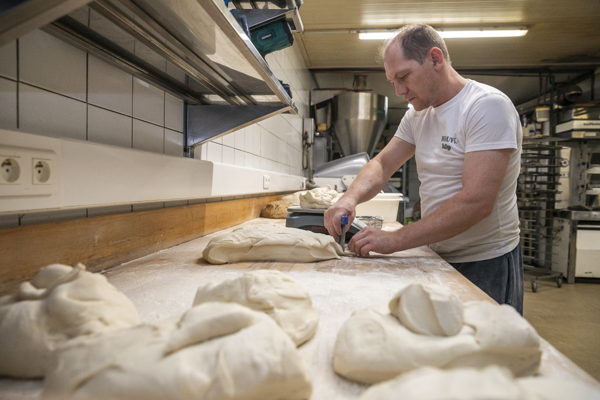
Quarter of a million Belgians take on flexi-jobs

In 2025, more than 260,000 people in Belgium worked as flexi-jobbers, according to figures from the National Social Security Office (RSZ). Together they held nearly 360,000 flexi-jobs, marking a 14 per cent increase on the previous year.
In total, 261,868 people combined a flexi-job with either another job or retirement. The system, introduced in 2015 to provide extra staff in hospitality, has since been extended to several other sectors, including retail, with further expansion to all sectors planned from July. Most flexi-jobs are still in hospitality and supermarkets.
“The flexi-job has become a huge hit on the labour market in no time,” said Jasper Hubeau, director of the RSZ’s financial and statistical service.
"People want to work where and when they want"
The number of participating employers also rose by 12 per cent to nearly 53,000, the majority of whom also employ regular staff. “Flexi-jobs were introduced at the time to quickly replenish the workforce with flexibly deployable workers during busy periods. And that is apparently also how the system is mainly used,” Hubeau said.
Flexi-jobs are open to employees working at least four-fifths of the time and to pensioners, allowing them to earn supplementary income with no tax or social security contributions, up to a ceiling of 18,000 euros per year.
Earnings remain relatively modest: the National Social Security Office says the median annual income is around 1,900 euros, with most workers earning well below 12,000 euros. Slightly more women (52 per cent) take on flexi-jobs, and the largest age group is 25–39, although participation among over-50s and over-65s is increasing. Many work fewer than 100 hours per year.


Voka backed the system, arguing it should be further expanded to ease labour shortages. CEO Frank Beckx said: “Flexi-jobs help fill bottlenecks in a labour market with structural shortages. The increase in the popularity of flexi-jobs is not a derailment, but a signal. Our labour market is stuck in 50-year-old regulations. People want to work where and when they want. Policy makers must finally catch up with this reality and make flexi-jobs possible in all sectors.”
© PHOTO ARTERRA
Related news