Pension reform row fuels anger ahead of Brussels union protest

Anger over Belgium’s planned pension reform has intensified after controversial remarks by pensions minister Jan Jambon. The minister’s comments about women adapting their behaviour have added momentum to protests against the government’s pension plans.
The reform, proposed by the federal government led by Bart De Wever, aims to make the pension system more financially sustainable. One key measure is a “pension penalty” that would reduce payments for people who retire early without having worked enough years.
Critics argue that the rules could affect women more than men. In Belgium, women are far more likely to work part-time and to interrupt their careers for care responsibilities, which means they often build up fewer pension rights.
Speaking about the reform, Jambon said people would adapt to the new system and suggested that women could work more full-time in the future. His remarks sparked strong criticism from unions, opposition parties and women’s organisations.
Experts also warn that the reform could widen the existing pension gap between men and women in the short term. Women already receive lower pensions on average because they are more likely to work part-time or take career breaks.
Unions say these concerns have increased frustration among workers and helped mobilise demonstrators for the national protest in Brussels. Organisers expect tens of thousands of people to join the march to demand changes to the pension plans and wider social policies.
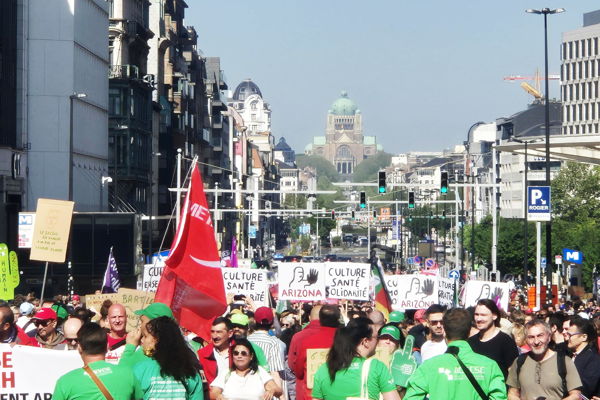

However, Jambon rejects the criticism and argues that reform is unavoidable. He says Belgium’s ageing population means the pension system must change if it is to remain affordable in the long term. The minister has also stressed that certain career breaks, such as parental leave, illness and care leave, will continue to count towards pension rights.
According to the government, the goal is not to penalise women but to encourage longer and more stable careers for everyone. In the long run, Jambon argues, higher employment could even help reduce the pension gap between men and women.
The controversy reflects broader concerns about the government’s reform agenda. Union leaders argue that workers are being asked to work longer while facing more flexible labour conditions and fewer social protections. According to the unions, the pension reform has become a symbol of what they describe as a wider erosion of social rights.
The debate has also increased political pressure ahead of the parliamentary vote on the pension law later this year. Some parties and civil society groups are calling for adjustments to protect part-time workers and better recognise care work.
Pensions minister Jan Jambon © BELGA PHOTO JAMES ARTHUR GEKIERE