Overcrowding in Belgian prisons has risen by 20 per cent in three years

Between 2023 and 2025, the number of prisoners in the overcrowded Belgian prisons rose by more than 20 per cent, according to the annual report of the Central Prison Monitoring Council (CCSP/CTRG). Pieter Houbey, vice-chairman of the CCSP/CTRG, speaks of a “humanitarian emergency”.
Overcrowding in Belgian prisons has already been the subject of much discussion, but few things illustrate the gravity of the situation as clearly as the annual report by the Central Prison Monitoring Council. The council oversees several dozen supervisory committees, which monitor the situation in prisons and visit the institutions on a weekly basis. The committees published their reports a few weeks ago and the CCSP/CTRG now published a summary.
The problems that the committees and the council identified in 2025 in Belgium’s 37 prisons remain the same this year, but have grown in scale and are “extremely distressing”.
“We have long since exceeded the limits of the prison system. We can now speak of a humanitarian emergency,” warned Pieter Houbey, vice-chair of the CCSP/CTRG. Between 2023 and 2025, the number of prisoners rose by over 20 per cent, from 11,053 to 13,363.


Prisons across Belgium are at their wits’ end. This is reflected in the number of people sleeping on the floor, a lack of living space, mattresses, clothing and nutritious meals. Furthermore, an increasing number of internees – people who committed a crime but who have a mental illness and therefore do not really belong in prison – are being held in regular prisons. The number of such detainees rose by no less than 26 per cent, from 851 to 1,074. “They need prospects and specific care and support. But a prison is simply not a care facility,” stated Houbey.
Moreover, mental health issues are more common in prison. Half of the prisoners have a mental disorder and four-fifths have suffered from mental health problems at some point. This issue is linked to “a lack of medical staff, inadequate infrastructure, a lack of activities, inadequate treatment or the unauthorised use of coercive measures, resulting in safety being prioritised over care provision”, the report states.

“By focusing on mental well-being in society and in prison, many offences can be prevented. This is of great social importance, as almost all prisoners will eventually be released,” warned Houbey. According to him, there is also a greater need for support and meaningful sentences, rather than years of imprisonment.
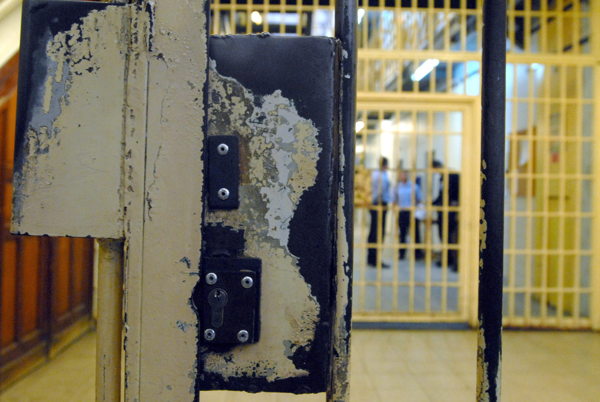
The Antwerp jail 'Begijnenstraat' © BELGA PHOTO JONAS ROOSENS