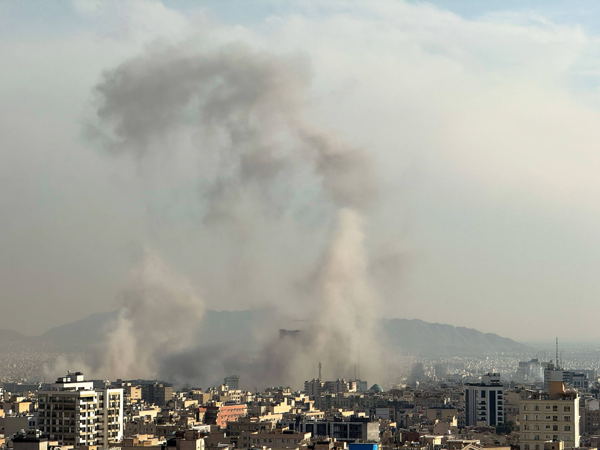
Oil and gas prices rise sharply as Middle East conflict unsettles global markets

European gas prices jumped by around 30 per cent on Monday as markets reacted to the escalating conflict in the Middle East and fears of prolonged disruption to global energy supplies.
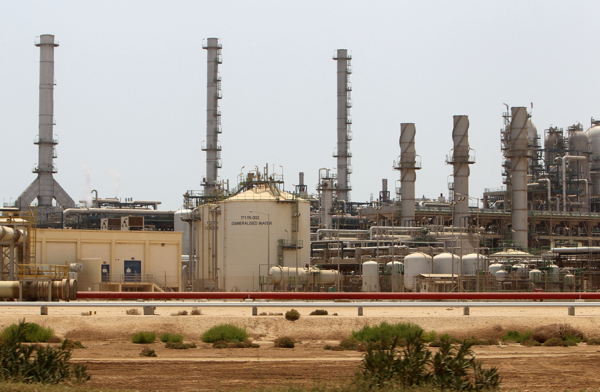
The surge comes after a similar spike in oil prices and reflects growing concern that the war involving Iran could significantly disrupt shipments through the Strait of Hormuz. The narrow waterway is one of the world’s most important routes for energy exports, handling large volumes of both crude oil and liquefied natural gas (LNG).
Europe is particularly exposed to supply shocks in the LNG market. Since the reduction in pipeline imports from Russia, European countries have increasingly relied on seaborne LNG to meet demand.

At the same time, the continent must replenish gas reserves after the winter season while competing with Asian buyers for cargoes. With uncertainty over shipping routes and supply continuing to mount, traders fear that gas availability could remain tight in the coming months.
Oil prices spike
Global oil prices also briefly surged by around 30 per cent on Sunday night as markets reacted to the escalating conflict between Israel, the United States and Iran.
The price of Brent crude, the main international benchmark, climbed to 119.50 USD a barrel, its sharpest rise since April 2020, before easing back. By Monday morning, it was trading at about 108 USD a barrel, still roughly 17 per cent higher than at the end of last week. US benchmark West Texas Intermediate (WTI) followed a similar pattern, briefly surging before settling above 104 USD.
Prices eased somewhat after reports that the G7 could consider releasing emergency oil reserves in coordination with the International Energy Agency.
US President Donald Trump downplayed the price spike on social media, calling it a “very small price” to pay for global security and predicting that prices would fall once the Iranian nuclear threat is resolved.
Asian stock markets tumble
Stock markets in Asia opened sharply lower on Monday as investors reacted to soaring energy prices and mounting geopolitical uncertainty.
Japan’s benchmark Nikkei 225 fell by more than six per cent shortly after the opening bell in Tokyo, while South Korea’s KOSPI dropped by more than seven per cent in Seoul.
© PHOTO PATRICIA HUCHOT-BOISSIER / ABACAPRESS.COM
Related news