N-VA proposes nationwide ban on private fireworks in Belgium

The majority party Nieuw-Vlaamse Alliantie (N-VA) of prime minister Bart De Wever has tabled a bill to ban fireworks for private use in Belgium. The proposal was announced on Thursday by MPs Maaike De Vreese and Lieve Truyman, alongside Flemish Animal Welfare minister Ben Weyts, at a press conference in Baarle-Hertog.
The party hopes the ban could take effect before the New Year period leading into 2027.
At present, private fireworks are allowed across Belgium unless a local authority bans them or sets conditions. According to N-VA, this patchwork of local rules is confusing and makes police enforcement difficult.
The party also points to safety concerns. During the last New Year celebrations, 129 people were injured, according to Stichting Brandwonden. Animal rights group GAIA reported more than 30 animal deaths. Fireworks are also increasingly being used to attack emergency workers.
Under the proposed law, not only the use but also the possession of fireworks by private individuals would be banned. Professional displays at set times, such as organised New Year’s Eve shows, would still be allowed.
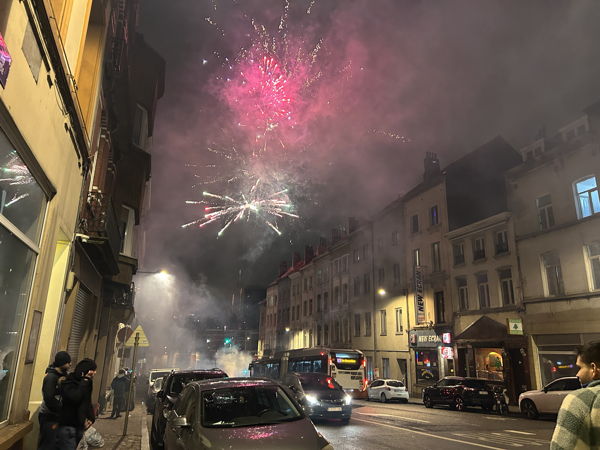

Minister Weyts previously tried to introduce a fireworks ban in Flanders in 2019, but it was struck down by the Constitutional Court as it went beyond regional powers. Since then, he has called for a federal ban.
The press conference was held in Baarle-Hertog, a border town where Dutch visitors often buy fireworks in large numbers. Mayor Philip Loots supports the proposed ban. He said the town is flooded each year from August onwards by so-called fireworks tourism from the Netherlands, with numbers rising sharply as New Year approaches.
“The quality of life and sense of safety for local residents have completely disappeared,” he said.
Animal rights group GAIA has welcomed the proposal, calling it “a strong political signal”. Chairman Michel Vandenbosch said the bill would send a clear message in favour of animal welfare and public safety. He added that several other parties (including CD&V, Vooruit, Les Engages and opposition party Parti Socialiste) have previously expressed support for a ban, meaning there is theoretically a parliamentary majority in favour.
© BELGA PHOTO NICOLAS MAETERLINCK