Mixed reactions as Belgium explores nuclear takeover

Belgium’s plan to take over its nuclear reactors from Engie has drawn a wide range of reactions from politicians, industry groups, environmental organisations and experts.
The country’s nuclear sector has welcomed the move. The Belgian Nuclear Forum said it was “very satisfied” with the government’s plans, calling them a sign of strong political leadership. It argued that, given current geopolitical tensions, Belgium should take greater control of its own energy supply.
Business groups have also responded positively. Voka, which represents Flemish employers, said the plan could strengthen energy security and affordability, though it warned against excessive costs for society. Febeliec, representing large industrial energy users, described the talks as a necessary step to support competitiveness and climate goals, stressing that reliable and affordable electricity is essential for industry.
Within politics, several parties backing the government have voiced support. Prime minister Bart De Wever defended the negotiations, saying Belgium must avoid greater dependence on gas if nuclear plants close. Energy minister Mathieu Bihet said the move fit into a broader, coherent strategy to regain control over the country’s energy system.

CD&V leader Sammy Mahdi welcomed the plan and called for extending reactor lifetimes and investing in new nuclear technology alongside renewables. Centrist Les Engagés leader Yvan Verougstraete also backed the approach, while also urging faster development of offshore wind. Liberal Anders leader Frédéric De Gucht said the proposal was a logical next step, provided it is backed by a solid financial and legal framework.
However, environmental organisations strongly oppose the idea. Greenpeace and Bond Beter Leefmilieu described the potential nationalisation as a “reckless choice” that could cost taxpayers billions and slow down the transition to renewable energy. They warned of high investment needs, long-term waste costs and financial risks for the state. Groen party leader Aimen Horch also criticised the plan, questioning why the government would spend large sums on ageing reactors that are nearing the end of their lifespan.
Experts have raised concerns about the complexity of the deal. Environmental economist Johan Albrecht said the negotiations could become long and difficult, with legal and financial challenges. He warned that Belgium may struggle to find partners to operate the plants and could remain dependent on Engie for expertise, even after a takeover.
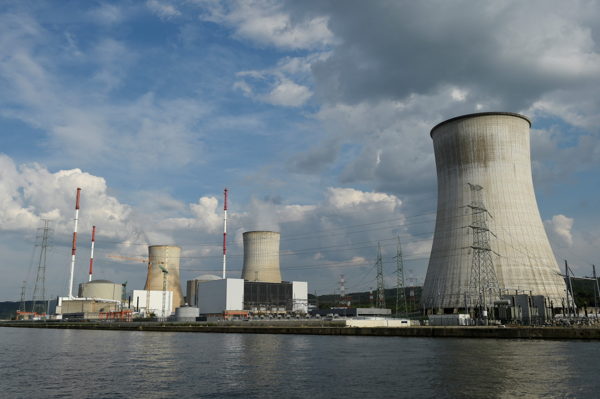
The Doel nuclear power plant © BELGA PHOTO DIRK WAEM