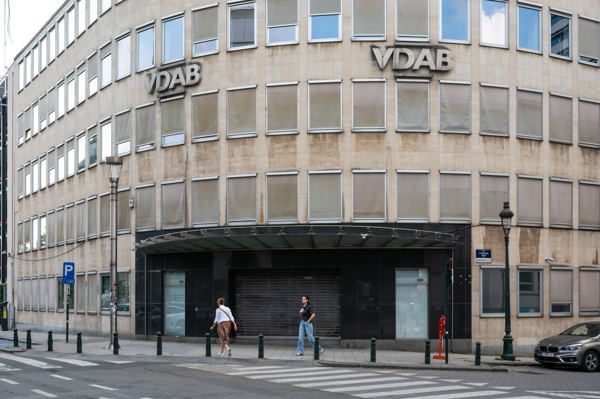
Labour migration to Flanders peaks even as region tightens rules

Labour migration to Flanders has surged to record levels even as Flemish Employment minister Zuhal Demir introduces stricter limits on access to the region’s job market, De Tijd reports.
Data compiled by the Flemish government shows a sharp rise in work permits granted to non-EU nationals in recent years. This has occurred against the backdrop of one of the tightest labour markets in Europe, with persistent shortages in sectors from construction to care.
In response, Demir, of N-VA, has pushed through a package of reforms aimed at reining in labour migration from outside the EU. Under the new rules, low- and mid-skilled roles will be harder to fill via combined work and residence permits.

Employers seeking to recruit abroad will first have to demonstrate that they have exhausted the local and EU labour markets before a foreign worker can be authorised. Certain occupations that previously qualified for accelerated access, including truck drivers, bakers and butchers, have been removed from the fast-track list as of early 2026, meaning additional checks and longer procedures for firms that still try to hire from outside the EU.
Ambitious targets
Demir’s office argues that with unemployment still above 200,000 and many vacancies unfilled, priority should be given to training and hiring local jobseekers and residents from other Belgian regions. High-skilled migrants will continue to benefit from streamlined procedures, including fast-track treatment and ambitious processing targets.
Business groups and employers have criticised the restrictions, warning that they will exacerbate labour shortages and weaken economic growth. They argue that foreign workers play an essential role across the economy, and that overly strict policies risk driving firms to use short-term posting arrangements, which offer less oversight and fewer protections.
#FlandersNewsService | © BELGA PHOTO TOM GOYVAERTS
Related news