Inflation rises for second month in a row as KBC warns of stagflation risk

Belgium’s inflation rate rose for the second consecutive month in March, reaching 1.65 per cent, up from 1.45 per cent in February. KBC warns that inflation is expected to rise further in the coming months due to the conflict in the Middle East, which could lead to stagflation.
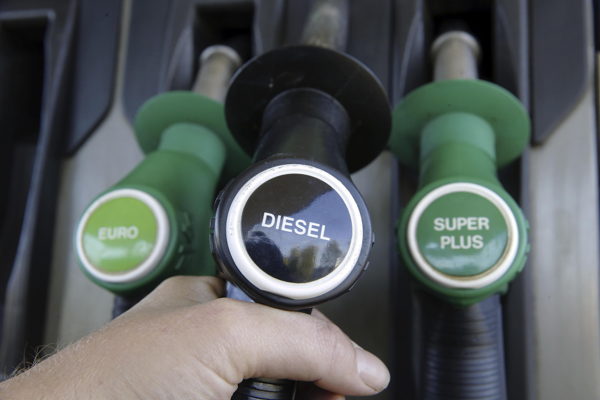
Consumer prices increased by 0.12 per cent in March. Motor fuels recorded the steepest rise, up 13.8 per cent, reflecting higher oil prices linked to the war in the Middle East that began at the end of February. Package holidays also became slightly more expensive, rising by just under 3 per cent. By contrast, hotel rooms and airline tickets were more than 6 per cent cheaper on average.
Year on year, airline tickets saw the sharpest increase, rising by 43.2 per cent. Prices also climbed significantly for external storage devices, such as hard drives, USB sticks and SD cards, which were up 22.5 per cent, and for bus travel, which increased by 18 per cent. Meanwhile, natural gas prices fell by 14.7 per cent, smartphones by 14.6 per cent and non-dairy milk by 13.2 per cent.
The effect of the conflict on gas and electricity prices has not yet been reflected in the March data. Electricity, for example, was still 4.4 per cent cheaper than in February. "We will only really start to see adjustments in variable-rate contracts in next month’s inflation figures. For fixed-term contracts, the impact will become apparent even more gradually," said economist Stijn Baert on X.

Stagflation risk rises
The rising energy prices could significantly impact the Belgian economy, KBC warns. And the risk of stagflation - the combination of high inflation, stagnant economic growth, and elevated unemployment - is growing, according to the Belgian bank.
KBC lowered its growth forecast for the country in 2026 to 0.6 per cent, down from 1.1 per cent projected in February, while raising its inflation forecast from 1.9 per cent to 3.3 per cent. A gradual recovery is expected by 2027, although the growth outlook has also been trimmed, from 1.3 per cent to 1.1 per cent.
KBC’s research department cautioned that the outlook remains highly uncertain. "The baseline scenario assumes a temporary impact," said Tom Simonts, senior financial economist at KBC. "But today we see more red flags than green ones. An end to the conflict does not seem imminent."
© BELGA PHOTO DIRK WAEM
Related news