Ghent biotech company Biotalys cuts jobs and research projects to save money

At the Ghent-based biotech company Biotalys, which develops biological crop protection products, 30 employees are at risk of losing their jobs, and the company is cutting back on some of its research activities. Biotalys aims to save 20 million euros over the next three years.
Biotalys is cutting back on its workforce and research activities, “with resources being concentrated on the highest priority programmes”, according to a press release. About half of the company’s total workforce are at risk of losing their jobs.
It was previously announced that the company was looking for funding. In January, it was reported that there was cash available until May and that the company was considering a new financing round.
“We are in talks with investors about possible financing options to support the adjusted product pipeline,” the company confirmed on Monday. However, by cutting back on research programmes, “significantly less investment” will be required.
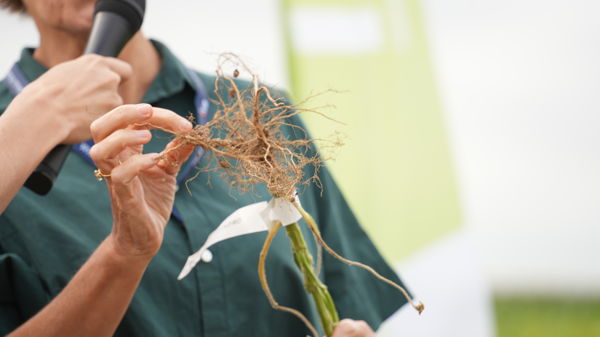

Activities that are still in the early stages of research will be suspended, says Biotalys. The priority is the development and regulatory progress of the most important biofungicide assets. Commercially, Biotalys will focus on markets with the greatest short-term potential, it says. This is expected to reduce cash consumption by 20 million euros by the end of 2028.
At the end of last year, Biotalys received approval in the US for its biological crop protection product, Evoca. This is a protein-based product designed to protect fruit and vegetables, including cucumbers, strawberries, tomatoes and blueberries, against fungal diseases. An application for approval for Evoca is also pending in the EU.
In addition, Biotalys is collaborating with the Gates Foundation on the BioFun-7 biofungicide programme and with Syngenta on the BioIns-2 insecticide programme. These research projects will continue. The collaboration with AgroFresh for the post-harvest market will also continue. The first commercialisations are expected from 2029.
#FlandersNewsService | Illustration © PHOTO Loic VENANCE / AFP
Related news