Gender pay gap in EU persists as Belgium makes slight progress

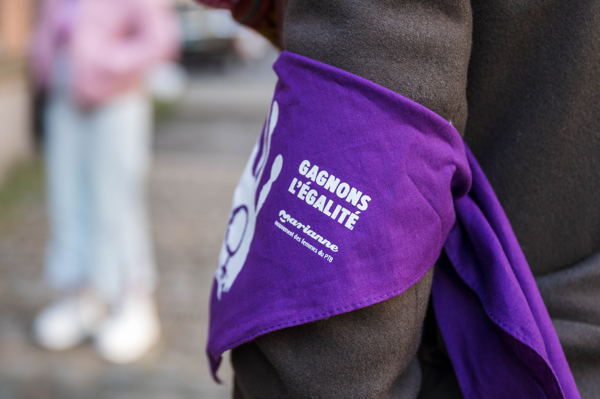
Women in the European Union have to work an average of 15 months and 18 days to earn as much as men earn in a year. This means that the gender pay gap in the EU averages 77 per cent, according to the latest report from the European Institute for Gender Equality (EIGE). Belgium has made slight progress in the last five years.
The new study is based on figures from the European statistical office Eurostat. They show that the average percentage over the past 10 years has risen from 69 to 77 per cent. They also show that full gender equality is still about 50 years away.
The report gives the EU a score of 63.4 out of 100. It looks not only at work, but also at money, knowledge, power, health, time and violence. The scores within the EU vary considerably: Sweden scores 73.7 and Cyprus 47.6 out of 100. Belgium has made almost five points of progress over the past five years and currently achieves a score of 68.5 points.

The Belgian Institute for the Equality of Women and Men (IGVM/IEFH) emphasises Belgium's seventh place in the ranking and its progress, which is due to advances in the areas of power and financial equality. Belgium also scores relatively well on time use and health. In terms of work, Belgium scores below the European average.
“The quality of work remains a major challenge, as does segregation in the labour market, with sectors where men or women are strongly dominant, like healthcare and education,” the institute said. “This segregation is also reflected in education.”
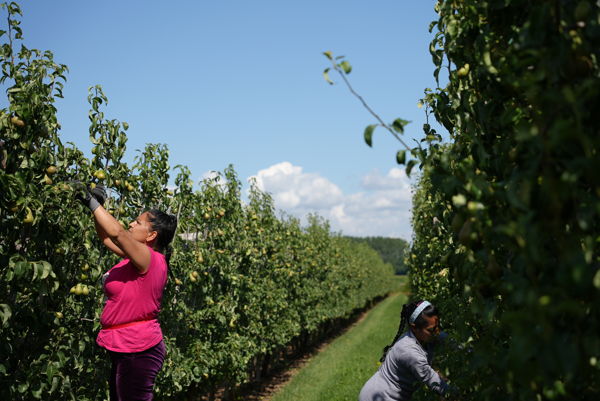

According to the report, female employment in the EU continues to increase, but women are more likely to work in jobs with lower wages and poorer working conditions. In addition, having children gives men more opportunities in the workplace, while those for women decrease. Within couples, women earn on average 30 per cent less than their partners.
The study also concluded that stereotypical ideas about gender and work continue to exist within the EU. For example, half of men in 2024 believe that the most important role of men is to earn money.
Illustration © PHOTO IMAGEBROKER
Related news