Frozen Russian assets: NATO chief expresses confidence in EU leadership

NATO will not take an official stance on whether frozen Russian assets should be used to support Ukraine. Secretary general Mark Rutte said he had “full confidence” in the European Union’s leadership to guide the discussions.
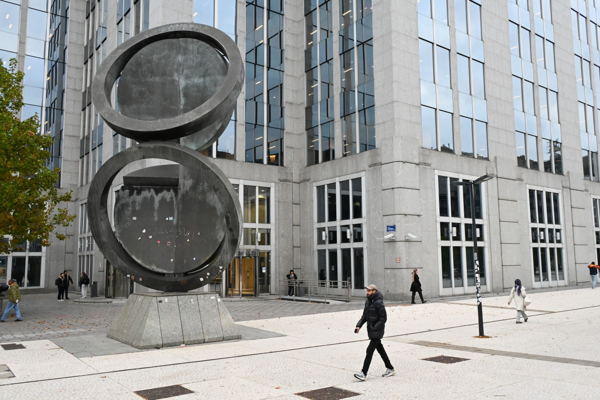
"This is primarily unfolding at the EU level," Rutte told reporters after a meeting of NATO foreign ministers at the Alliance's headquarters in Brussels. However, he acknowledged that the matter had also been raised indirectly during their discussions.
Rutte stressed that if the Russian assets, largely held at Euroclear in Brussels, were not ultimately mobilised, alternative funding would need to be found.
"If this does not succeed, it is clear that we must find other ways to obtain the money for Ukraine," he said. "There is a shared understanding that Ukraine cannot be abandoned. If the assets cannot be used, we must raise the funds as we have in previous years. Let's see how far we get, as this would certainly make things easier."
He emphasised that NATO itself holds no formal position on the matter. "I have complete confidence in the EU’s leadership - in European Council president António Costa and Commission president Ursula von der Leyen - to guide this discussion," he said.
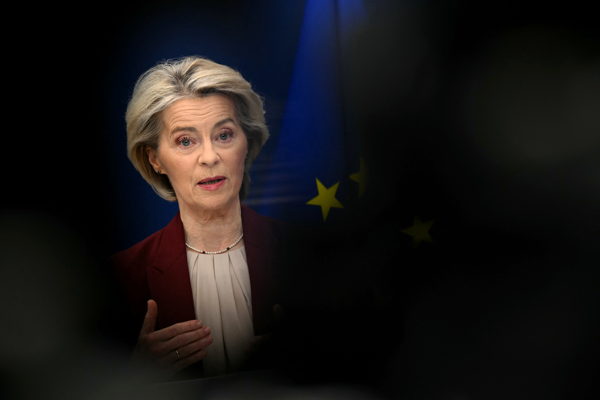

Von der Leyen has insisted that the current proposal addresses most of Belgium’s concerns by introducing safeguards to protect member states and financial institutions from potential Russian retaliation.
One such safeguard is a liquidity mechanism designed to ensure that sufficient funds are always available to reimburse Russia should Euroclear ever be required to do so. These funds would come from member states and the EU budget.
Unimpressed PM
However, Belgium remains unconvinced. Sources close to prime minister Bart De Wever have told VRT NWS that the government is unimpressed by the plan and does not consider the guarantees to be robust enough.
On Wednesday, the European Commission finalised draft legislation to finance Ukraine in 2026 and 2027. This includes proposals linked to revenues generated from frozen Russian assets.
Belgium, which holds most of these assets, continues to highlight the potential for significant legal and financial risks. In a letter last week, De Wever said Brussels had yet to receive satisfactory assurances. Upon arriving at NATO on Wednesday morning, Foreign minister Maxime Prévot dismissed the Commission’s plans outright.
#FlandersNewsService | © PHOTO NICOLAS TUCAT / AFP
Related news