Fragile ceasefire in Lebanon raises hopes for wider US-Iran agreement

A 10-day ceasefire between Israel and Lebanon came into force on Thursday evening, removing one of the principal obstacles to a wider deal between the US and Iran. While the news sent US stock markets to new all-time highs, a durable peace in the Middle East is far from assured.
US president Donald Trump praised the ceasefire and said his country was "very close" to a broader agreement with Iran. He also claimed Iran had agreed to hand over its enriched uranium. He further suggested that peace talks between Washington and Tehran could resume this weekend in Pakistan, and did not rule out travelling there himself to help finalise an agreement.
Despite Trump's optimism, the ceasefire between Lebanon and Israel remains fragile. Israeli prime minister Benjamin Netanyahu has said his country will not withdraw from southern Lebanon, where it is establishing what he described as a "security zone". The Lebanese militant group Hezbollah maintains it has the right to retaliate in response to that continued presence.
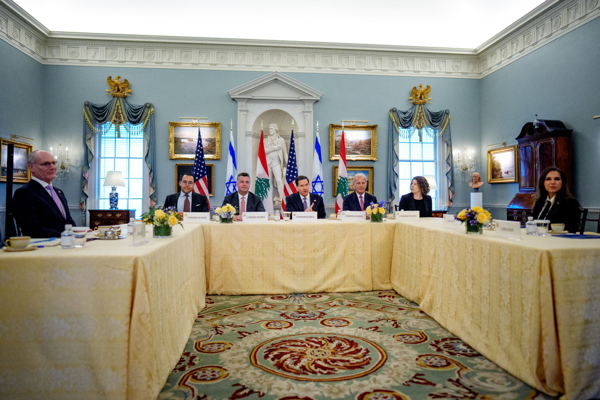

The positions of the parties remain far apart. Iran has welcomed the ceasefire but insists Israel must withdraw from Lebanon entirely before any durable peace can be established. Israeli Defence minister Israel Katz, meanwhile, has said that Israel intends to occupy an area amounting to 10 per cent of Lebanese territory even after the war comes to an end.
Investors optimistic
Financial markets appeared to overlook these uncertainties. The US stock market reached a record high on Thursday, having recovered all losses incurred since the start of the conflict with Iran. Oil prices also eased on Friday morning: Brent crude oil, the international benchmark, fell by over 1 per cent.
Investors appear to be hoping that Trump will put pressure on Israel to back down. With the US midterm elections approaching in November, there is a significant incentive for him to swiftly resolve the war. A Quinnipiac University survey published on Wednesday found that 65 per cent of American voters hold Trump responsible for the recent rise in fuel prices.
© PHOTO IBRAHIM AMRO / AFP
Related news