Food poisoning deaths double in Belgium as food safety agency carries out 180,000 checks

Twelve people died from food poisoning in Belgium in 2025, twice as many as the six deaths recorded the previous year, according to the annual report of the Belgian Federal Agency for the Safety of the Food Chain (FAVV).
The increase was largely linked to an outbreak of STEC bacteria in six care homes in August. Investigators identified contaminated filet américain (raw minced beef spread) as the most likely source, although laboratory tests could not confirm this conclusively.
A total of 773 food poisoning outbreaks were reported during the year, affecting 3,375 people. Seventy-one people required hospital treatment.
The FAVV carried out 182,420 inspections in 2025, with 85.9 per cent producing satisfactory results. It also analysed more than 62,000 samples, of which 98.1 per cent met safety standards.
However, inspectors issued nearly 15,000 warnings and almost 10,000 official violation reports. More than 1,450 products were seized and 508 businesses were temporarily closed for breaches of food safety rules.

The agency also investigated 450 suspected fraud cases. One major case involved salmonella-contaminated eggs that caused illness in 146 people. Investigators found that a company under restrictions had continued supplying eggs to retailers using forged stamps. Around 1.5 million eggs were seized.
Bird flu also placed pressure on the agency, with 20 outbreaks in poultry farms and 350 infections among wild birds. About 665,000 poultry birds were culled, while two outdoor cats were infected for the first time.
Consumer complaints reached a record 6,268 in 2025, up 20 per cent on the previous year. More than half resulted in enforcement action. Since November 2025, the public has also been able to check hygiene inspection results for restaurants, bakeries and shops through the new Food Hygiene Rating online tool.
The report comes as Belgium’s federal government plans to reduce the FAVV’s budget by 24 per cent by 2029. Consumer organisation Testaankoop has warned that the cuts could weaken food safety controls and increase the risk of future food safety crises, particularly as food imports from South America are expected to rise under the EU-Mercosur trade agreement. The government has confirmed that budget reductions are planned, but has not yet provided further details.
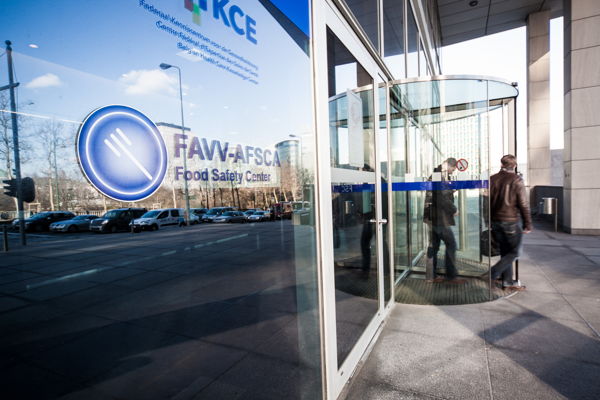
Illustration © BELGA PHOTO PETER VAN DEN BERG