Flemish media minister calls for full publication of VRT study amid LGBTQIA+ debate

Flemish media minister Cieltje Van Achter (N-VA) is urging public broadcaster VRT to publish the full results of its major social survey De Foto van Vlaanderen, after controversy erupted over whether conclusions regarding people of foreign origin had been withheld.
“The VRT must live up to its reputation as a house of trust,” Van Achter said in a statement to Belga. “That is not optional: it is also clearly stated in the management agreement. With a study that sparks such a strong societal debate, maximum transparency is warranted. The full study, including the results, must therefore be released.”

The debate follows the publication of findings from De Foto van Vlaanderen, a large-scale survey commissioned by VRT examining social attitudes in Flanders. Conducted by research agency Profacts among a representative sample of 2,261 Flemish residents aged 12 and over, the study found that many young men hold relatively conservative views on issues such as gender equality and LGBTQIA+ rights.
One finding that drew particular attention was that one in three young people said they could not see themselves being friends with a trans person. Resistance to gender diversity was found to be significantly stronger among young men than among older generations.

During a debate programme on Tuesday evening, philosopher Maarten Boudry accused VRT of concealing conclusions linked to respondents with a foreign background. He referred to what he described as an internal email suggesting the broadcaster had “swept the findings under the rug”.
VRT rejected those claims, calling them “incorrect”.
“‘De Foto van Vlaanderen’ is a scientifically substantiated study,” a spokesperson said. “The VRT research department only draws conclusions from results that are statistically reliable. The distinction between Flemings with or without foreign origin could not be made statistically reliable in this study. Therefore, we are not publishing it.”
Antwerp response
The survey findings have also prompted political reactions beyond the debate over transparency. In Antwerp, the city announced plans for a new accessible centre for LGBTQIA+ young people, following concerns raised by the study.
The city is supporting a new initiative by the youth organisation Wel Jong, which plans to open a dedicated drop-in centre for LGBTQIA+ people aged up to 30, the first of its kind in Flanders.
“Young people are welcome there with all their questions and problems, but also just to walk in and make friends,” said coordinator Nina Uyttenhove.
According to Uyttenhove, many LGBTQIA+ young people increasingly feel unsafe. “Gaybashing is increasingly being normalised, just like transphobic violence or transphobic statements,” she said. “That causes a great deal of fear among our young people. They get the feeling that they can no longer go everywhere.”
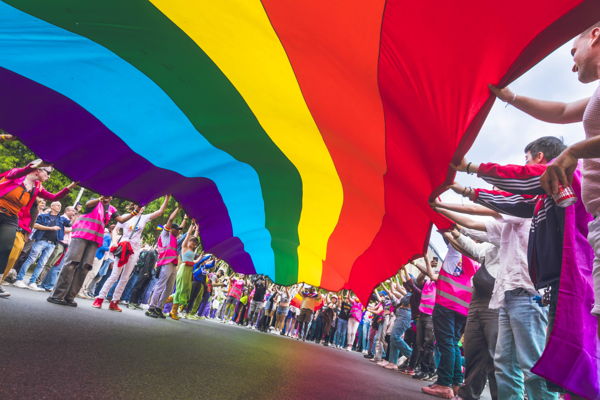
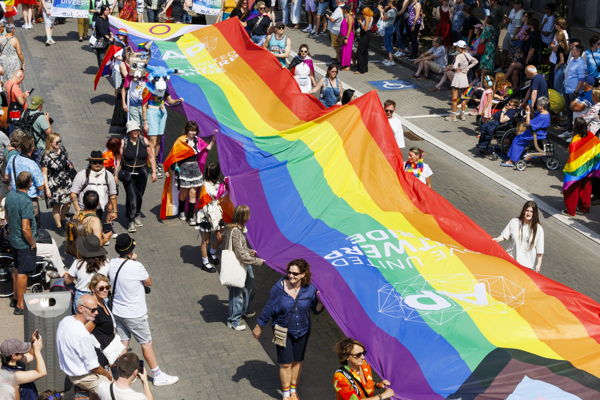
#FlandersNewsService | Antwerp Pride © BELGA PHOTO NICOLAS MAETERLINCK
Related news