Flemish Brussels minister selects 10 projects to strengthen Dutch in Brussels

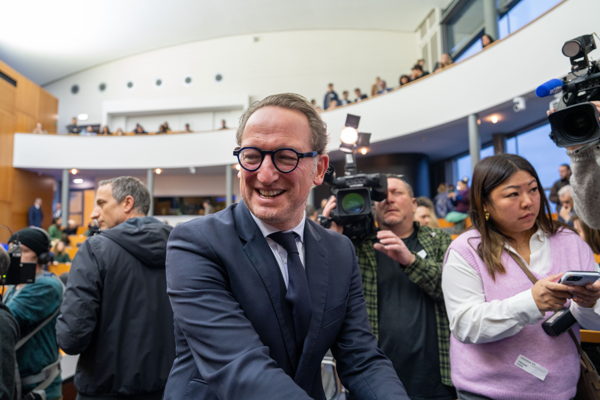
The Flemish minister for Brussels, Cieltje Van Achter, has selected 10 projects aimed at strengthening the use of Dutch in Brussels. The initiatives form part of the Total Dutch Plan and will be rolled out across several sectors, including healthcare and welfare, family support, youth work, employment and entrepreneurship. The minister announced the selections on Thursday.
Several of the selected initiatives focus on healthcare and welfare. These include efforts to strengthen the Dutch language skills of emergency staff at the Europa hospitals group, mentoring for current and future Brussels healthcare professionals, and the integration of Dutch more firmly into family care services through Familiehulp.

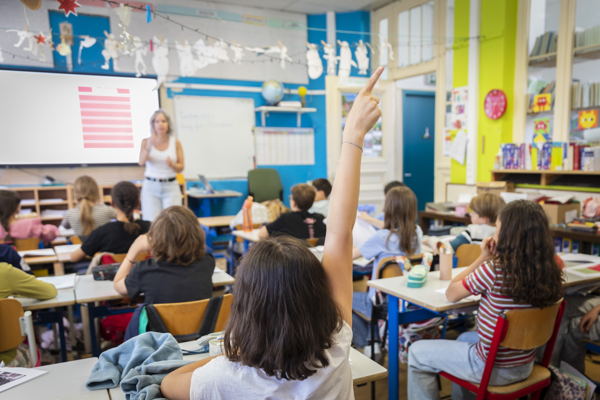
In the field of education and youth, the Reading is a Superpower project has been selected. This initiative of the Flemish Community Commission connects the Dutch-language library network with schools, childcare services and family support organisations in order to promote reading among children and young people.
Debateville, which organises a weekly Dutch-language after-school debate and language programme for children from the fourth year of primary school, will expand its activities to Anderlecht with Flemish support. In Jette, the Jetse Taalprikkels project has been granted funding, alongside the Kunstkot project, Kunstket.
Language and the labour market
Employment and entrepreneurship also feature prominently. A joint initiative by Syntra Brussels and CVO Lethas will develop a practice-oriented NT2 programme at levels B1 to B2, tailored to aspiring and established entrepreneurs in Brussels. In addition, the Taalboost project will provide targeted language support to jobseekers in the capital.
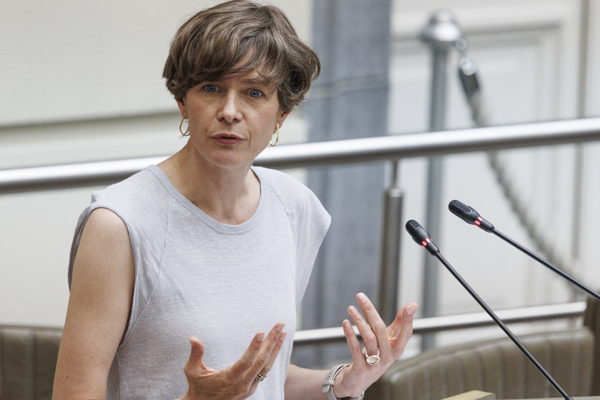
“Our Flemish capital is bilingual, and anyone who lives, grows up, studies, works or needs care here should be able to communicate fully in Dutch. Dutch must be present, accessible, and functional in all areas of life in Brussels,” said Van Achter, of N-VA.
#FlandersNewsService | © PHOTO DAVID ROZING / HOLLANDSE HOOGTE
Related news