Flemish and Dutch performing artists call for stronger cross-border collaboration

Producers, programmers and creators from the Flemish and Dutch performing arts sectors are urging governments and funding bodies to provide structural support for collaborations that transcend national borders. On Thursday, they presented an “Action Plan for Enhanced Collaboration between the Flemish and Dutch Performing Arts”, which also sets out recommendations for companies, venues and festivals, according to the Netherlands Theatre Festival.
The plan follows discussions held in Ghent and Amsterdam during the Flanders Theatre Festival and the Netherlands Theatre Festival. These talks took place as part of the #LageLandenLiefde (Low Countries Love) exchange programme, which aims to strengthen ties between the Flemish and Dutch performing arts landscapes.
Representatives from Arenberg, BRONKS, CAMPO, KVS, NTGent, Toneelhuis, Viernulvier, ITA, Theater Rotterdam, Theater Utrecht, Oerol Festival, Theater Bellevue, De Warande and De Brakke Grond were among those involved.
Benefits of a shared language area
The newly published action plan brings together the key findings from these sector-wide discussions. It underlines the potential benefits of closer cross-border cooperation. “A larger shared language area expands the sales area and enables longer performance series,” the document states. “Full-pooling of quality also strengthens the international position and visibility of Dutch-language performing arts in Europe. Furthermore, collaboration stimulates artistic development through cross-pollination, innovation in work practices and joint audience development.”
Despite the shared language and cultural affinities, the plan underscores that the Flemish and Dutch performing arts operate within two distinct ecosystems. “Precisely in these differences” in funding, organisation and infrastructure “lie artistic and strategic opportunities, but without a coordinated policy, they mainly become obstacles.”
Call for sustainable, long-term support
Among the challenges identified are mismatched funding systems, the additional costs of touring across borders, administrative complexity and limited visibility among audiences, the press and sector professionals.
At the same time, the appetite for cooperation remains strong, as evidenced by existing co-productions, festivals, residencies and joint tours. However, the reliance on ad hoc project funding is seen as a significant barrier to sustainable audience development, revivals and long-term partnerships. As a result, initiatives often remain confined to individual projects, and established relationships frequently dissolve after a single production, the plan concludes.
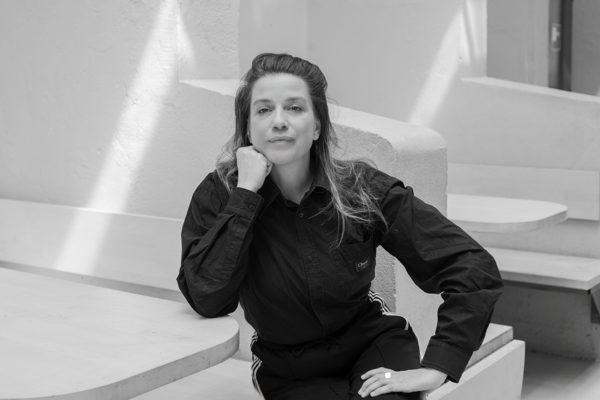
#FlandersNewsService | Toneelhuis Antwerp © PHOTO PETER HILZ / HOLLANDSE HOOGTE / ANP
Related news