Flanders' horse industry: A billion-euro powerhouse with fragile foundations

Flanders is at the heart of one of Europe’s most successful equestrian industries. The Flemish horse sector generates an annual turnover of around 1.43 billion euros and exports horses worth approximately 200 million euros each year. However, a new comprehensive study reveals that these impressive figures mask a more fragile reality: just over half of the businesses in the sector are profitable.
These findings come from the Paardenmonitor, a large-scale study commissioned by Paardenpunt Vlaanderen and conducted by researchers, including KU Leuven economist Stijn Vanormelingen. The study offers the most detailed snapshot to date of the size, structure, and economic health of the Flemish horse industry.
A large sector with narrow margins
Around 200,000 horses are kept in Flanders, of which 75,000 are kept on professional premises: breeding farms, riding schools and livery yards. The sector employs more than 6,000 people, including breeders, stable staff, veterinarians, farriers, transporters and other specialised professionals.
The sector is economically substantial, underpinned by Belgium’s strong international reputation in horse breeding and sport. However, profitability is uneven. "Just over half of riding schools, breeding farms and horse pensions make a profit," Vanormelingen tells VRT NWS. "That is relatively low compared with other economic sectors."
The study suggests a clear explanation. Many smaller operations are not primarily run as profit-maximising businesses. Owners often accept low returns or even losses because their motivations are passion, lifestyle and long-term involvement with horses rather than financial gain alone.

Strong performance at the top end
The situation is significantly different among larger, more professional breeding operations. Around 80 per cent of these businesses are profitable and account for the majority of high-value exports. Elite sport horses sold abroad, particularly to the United States, typically fetch an average price of around 50,000 euros per animal.
Consequently, Belgium exports far more horses by value than it imports. Annual exports of live horses now consistently exceed 200 million euros, reinforcing the country’s international standing as a leading horse-breeding nation.
Belgium in global breeding elite
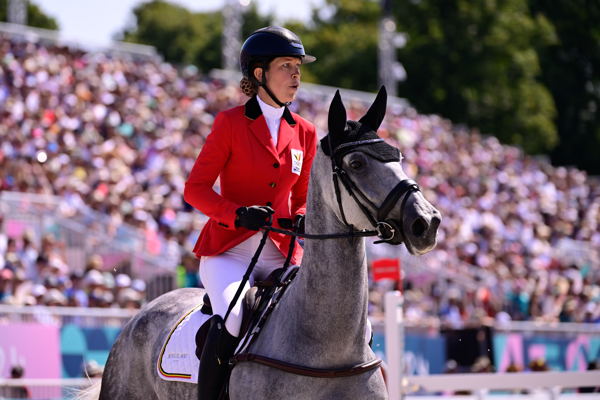
Belgium has the highest horse density of any European country, with over 400,000 horses nationwide and around 200,000 active riders. Its breeding programmes are world-renowned, with Belgian horses regularly dominating international competitions. At the 2024 Paris Olympic Games, almost 30 per cent of the horses competing were Belgian-bred. At the Tokyo Olympics, Belgian horses won five of the nine available medals.

International horse breeding, particularly for show jumping, has become a highly competitive field. Data from Hippomundo illustrates Belgium’s strong position in this area. Germany leads Europe with 3,769 breeders and prize money totalling almost 42 million euros. Belgium follows closely behind with 3,325 breeders and over 36.6 million euros in prize money, outperforming France despite having fewer breeders.
These three countries also dominate the number of registered sport horses, with Belgium accounting for almost 8,000. Both Germany and Belgium stand out for their high average earnings per horse, signalling the quality and international success of their breeding programmes. When measured in terms of horses per breeder, Belgium again ranks among Europe’s leaders, alongside Germany and the Netherlands.
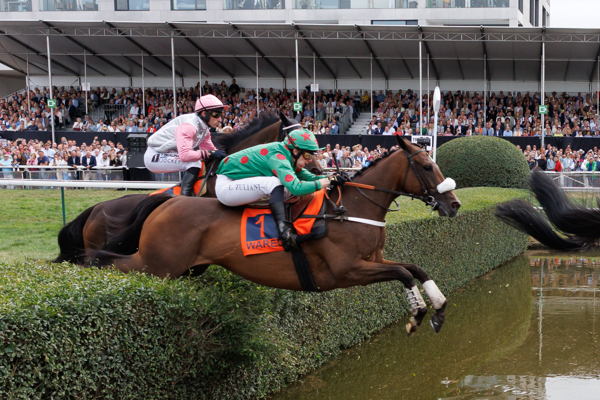

However, the sector does face challenges. Concerns over horse welfare have intensified in recent years, catalysed by high-profile incidents during the 2020 Tokyo Olympics and long-standing criticism of equestrian disciplines such as horse racing. It is estimated that up to one-third of racehorses are discarded each year in this sport alone. Public backlash, amplified through social media, has intensified calls to exclude equestrian sports from the Olympics, leading to greater scrutiny of whether competitive practices are compatible with equine well-being.
#FlandersNewsService | © BELGA PHOTO DIRK WAEM