Five years after the first jab: Covid-19 taught Belgium pandemics need a broader approach

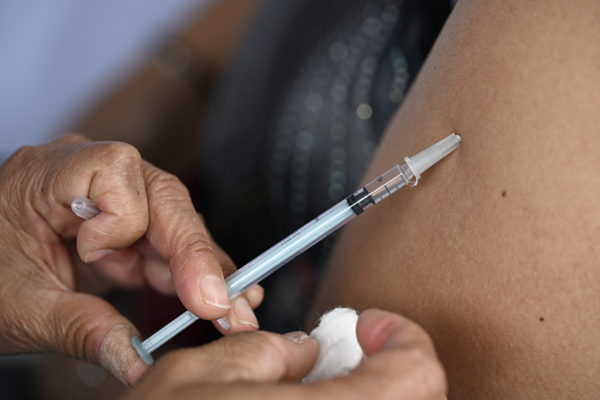
When Belgium administered its first Covid-19 vaccine on 28 December 2020, it marked the beginning of the end of the emergency phase of the pandemic. Five years later, the lesson is clear: a future pandemic cannot be tackled with medical tools alone.
According to an evaluation by the OECD from 2023, Belgium entered the Covid-19 pandemic with limited and uneven preparation. Pandemic risks were known, but planning focused mainly on hospitals and infectious diseases. Mental healthcare, care homes and local authorities were often left out of wider emergency planning.
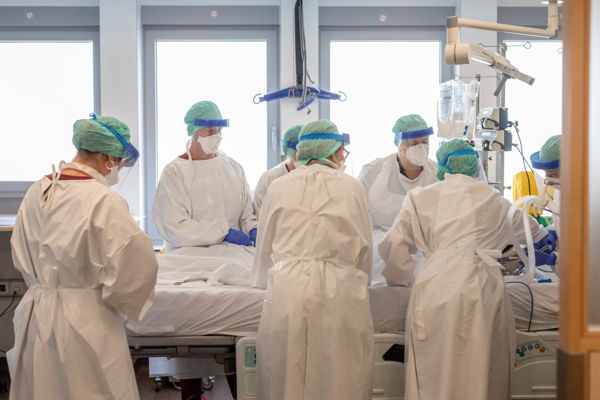
Covid-19 forced rapid change. Hospitals expanded intensive care capacity, testing and tracing systems were created, and a nationwide vaccination campaign was organised at speed. Governments at different levels learned to coordinate more closely, and a pandemic law adopted in 2021 gave emergency measures a clearer legal basis.
More than physical health
From a medical point of view, Belgium now seems better prepared. Data collection has improved, vaccination campaigns can be rolled out faster, and hospitals are more flexible. But Covid-19 also showed that a pandemic affects far more than physical health.
Research by Sciensano, including the BELHEALTH study, shows that the mental health impact of the pandemic is still being felt. In 2022, 19 per cent of adults showed symptoms of anxiety and 17 per cent symptoms of depression. These figures are lower than during lockdown periods, but still much higher than before Covid-19.

Certain groups were clearly more affected. Young adults, especially those aged 18 to 29, reported much higher levels of anxiety and depression than before the pandemic. Women, people living alone, those with lower levels of education and people without paid work were also more vulnerable.
The pandemic also highlighted serious problems in care homes. Older people were protected from infection, but often at the cost of long periods of isolation. Family visits were restricted, social contact disappeared, and loneliness became a major issue. These experiences raised difficult questions about how to balance physical safety and emotional wellbeing in future crises.
Steps forward
Belgium has taken steps forward. Mental health is now more openly discussed, data on wellbeing is collected more regularly, and awareness of vulnerable groups has increased. But various experts have warned that preparedness must go beyond emergency medicine.
Clear communication, trust in institutions, accessible mental health care and strong social support systems are crucial. Belgium’s complex political structure can still slow decisions, especially in the early phase of a crisis, and communication does not always reach everyone equally.

Five years after 28 December 2020, Belgium seems better prepared than it was in 2020. But the pandemic showed that resilience is not only measured in hospital beds or vaccines. It also depends on how a society protects its mental health, social ties and most vulnerable people when the next crisis arrives.
Activists of Not Recovered Belgium and Long Covid Belgium demonstrate in Brussels on the fifth anniversary of the Covid-19 lockdown, on 15 March 2025 © BELGA PHOTO MARIUS BURGELMAN
Related news