Fiscal policy still not ready for climate transition

Belgium’s fiscal framework remains insufficiently aligned with its climate objectives, despite some recent reforms moving in the right direction. A more ambitious and better coordinated approach between the federal government and the regions is essential if citizens and businesses are to fully embrace the climate transition. This is the message of the new annual report from the Federal Public Service (FPS) Health, prepared with the FPS Finance, which analyses energy and carbon pricing and taxation in Belgium.
Now in its third edition, the report examines how government policy shapes the “price signal” that encourages consumers to choose, for example, one type of car over another, a cleaner or more polluting heating system, or whether to invest in home renovations. While progress has been made, the experts conclude it is far from sufficient.
Because nearly three-quarters of Belgian emissions stem from energy consumption, the report notes that policymakers must intervene in the price of energy products to steer households and businesses towards more sustainable choices.
This price steering is one of the federal government’s most powerful levers. Yet distortions persist, meaning the most climate-friendly option is not always the most financially attractive.
Heating costs and climate goals
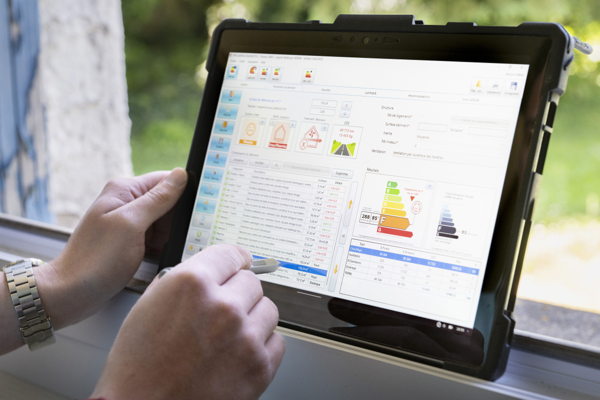
This is particularly evident in the building sector, where emissions have fallen only “moderately” since 1990, by 20.7 per cent. Belgium maintains competitive prices for gas and heating oil compared with neighbouring countries, but electricity remains disproportionately expensive, partly due to excise duties and VAT. Although the recent federal budget agreement slightly raises taxes on gas and lowers them on electricity, the imbalance remains substantial.
According to the report’s experts, electricity should cost around 2.1 times more than gas, or 2.5 times more than heating oil, in order to make heat pumps financially viable compared with gas boilers, when installation and maintenance costs are taken into account. Today, the ratio is above 4.
Initial projections from the FPS Climate indicate that, thanks to the budget agreement, the Flemish “tax shift” and the introduction of ETS2, the new European carbon price for buildings, the ratio should fall below 3.5 by 2029. By 2030, it is expected to reach 2.8. The gap will narrow significantly, but not close entirely.


Flanders is currently in the strongest position. Its tax shift under the new Energy and Climate Plan, combined with generous heat pump subsidies, which add up to 8,000 euros compared with 3,600 euros in Wallonia, means it is ahead of the other regions.
“The sooner heat pumps become profitable, the better,” says researcher Justine Soete of the FPS. “With the two tax shifts and ETS2, we’re on the right track in Flanders.” But she cautions that a further tax shift is urgently needed to make heat pumps profitable in all regions and for all households.
The report also highlights the broader implications of Belgium’s fragmented fiscal landscape. Regional premiums and subsidy schemes vary widely, as do the costs incorporated into energy bills. This lack of alignment creates inconsistent incentives and raises questions about policy coherence at the national level.
Beyond buildings, the report identifies structural problems across the energy tax system. “In Belgium, current prices and taxes in many sectors continue to keep polluting options cheaper, thus hindering the climate transition,” the FPS says.
In transport, for example, excise duty refunds for commercial diesel undermine climate policy, while various benefits, such as company cars, reduced tariffs for certain households and exemptions for industry, agriculture, shipping and aviation, still amount to fossil-fuel subsidies.
© PHOTO PETER HILZ / HOLLANDSE HOOGTE / ANP
Related news