European industry ‘losing ground’ two years after Antwerp Declaration

Two years after dozens of industrial leaders signed the Antwerp Declaration with the aim of restoring European competitiveness, the outlook for EU industry has worsened across most indicators. That is the conclusion of a new report by consultant Deloitte, commissioned by the European Chemical Industry Council (Cefic).
Describing the findings as “a wake-up call”, Deloitte warns that EU industry is steadily falling behind. “The report shows that the EU industry is losing ground to global competitors such as the United States and China. For 83 per cent of the indicators for industrial competitiveness, there is no improvement or even a decline,” the authors say.
For the study, the 10 pillars of the Antwerp Declaration, signed during a summit at the city's port in 2024, were translated into measurable performance indicators. The results, Deloitte says, are troubling.
“Deindustrialisation is accelerating"
“Of these, 83 per cent are stagnating or deteriorating,” it concludes. “Deindustrialisation is accelerating, and companies are relocating their activities to lower-cost regions.”
The report points to a number of structural bottlenecks, including high energy prices, complex regulations, fragmented financing and lengthy waiting times for electricity grid connections.
Investment race slipping away
“The European Union is losing the global race for industrial investment,” said Frederik Debrabander, industry leader for energy, resources & industrials at Deloitte.
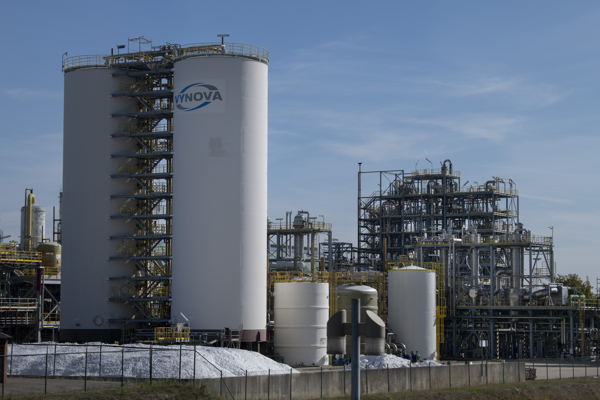
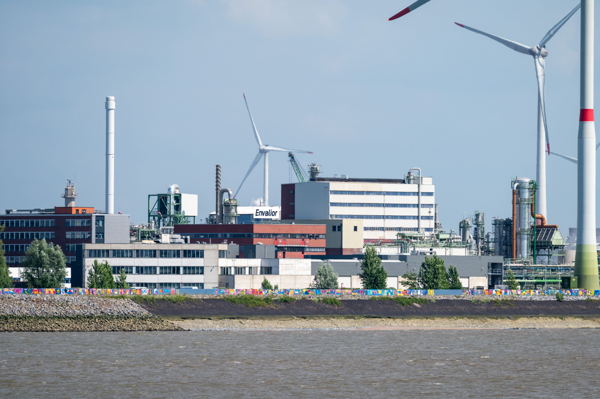
The chemical sector in particular has been hit hard. According to Cefic, more factories have closed in Europe in recent years, leading to the loss of 20,000 jobs. Nevertheless, CEO Marco Mensink insists that action is still possible.
We hold Europe's industrial future in our own hands,” he said. “But without urgent, coordinated and impactful measures this year, further, irreversible industrial erosion in Europe is threatened.”
Warning signs across other major companies
Pressure is not limited to chemicals. Recent results from major European companies point to broader weakness. Dutch staffing group Randstad reported a 4 per cent drop in fourth-quarter revenue to 5.8 billion euros, with particular weakness in European markets such as the Netherlands and Germany, while growth was limited to North America.
Brewer Heineken announced plans to cut 5,000 to 6,000 jobs over the next two years, mainly in Europe, as part of further cost-saving measures amid declining beer sales and difficult market conditions.
Supermarket group Ahold Delhaize also flagged headwinds in Belgium following the ban on tobacco sales in larger supermarkets, although its overall annual revenue rose to 92.4 billion euros. Together, the figures underline the fragile climate facing several key sectors of the European economy.
Industry summit returns to Antwerp
The Antwerp Declaration was formally presented to European Commission president Ursula von der Leyen and then Belgian prime minister Alexander De Croo in February 2024. On Wednesday, Von der Leyen returns to Antwerp with current prime minister Bart De Wever ahead of a European summit on industry, due to take place on Thursday at Alden Biesen castle in Limburg.
#FlandersNewsService | © PHOTO PETER HILZ / HOLLANDSE HOOGTE
Related news