EU summit focuses on loan backed by frozen Russian assets, source says

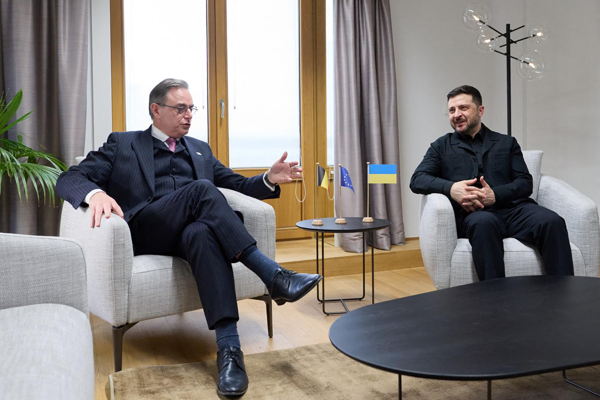
Using frozen Russian assets to support Ukraine’s recovery is currently the only concrete option under discussion at EU level, a European source said on Thursday, as EU leaders meet in Brussels to decide how to fund Ukraine in 2026 and 2027.
The European Commission wants to provide Ukraine with a loan backed by Russian central bank assets frozen in the EU. Belgium, where the bulk of those assets are held, remains highly sceptical because of the potential legal and financial risks and has repeatedly called for serious consideration of an alternative option: a common EU loan.
Despite Belgium's protests, the EU seems to be forging ahead with a plan to loan the frozen Russian assets to Ukraine. A source told Belga that since Thursday morning, work has been under way to find a compromise between the Commission’s position and Belgium’s concerns over the use of Russia's assets.
The aim is to include a general description in the summit conclusions of how the assets could be used for financing, along with a set of guiding principles for further discussions on the necessary legal texts. Those legal texts will not be debated by the leaders themselves on Thursday, although delegations remain free to discuss them bilaterally, the source said. The intention is to arrive at wording that Belgium could accept.

Risk sharing
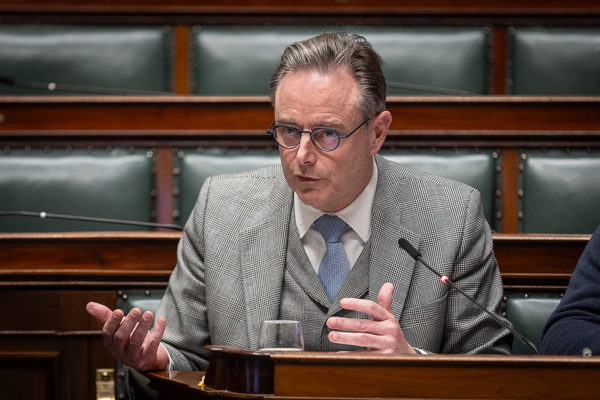
Prime minister Bart De Wever has repeatedly said he would only agree to a loan backed by frozen Russian assets if other European countries are willing to share the risks. That could form the basis of a compromise. According to a European source, contacts are ongoing with other G7 countries about sharing the burden of such a loan, with some partners appearing willing to participate.
According to the German press agency dpa, German chancellor Friedrich Merz is also prepared to make frozen Russian central bank assets in Germany available for a loan to Ukraine. Berlin had previously argued that only Euroclear, the Brussels-based clearing house holding around 185 billion euros in Russian assets, should be considered, noting that only limited sums are frozen in Germany. Other countries holding frozen assets include France, Sweden, Cyprus and Luxembourg.
"The EU’s aggressive position may put Belgium in serious trouble"
On Thursday, Russia again warned against the use of its assets. Russian ambassador to Belgium Denis Gonchar said in a studio interview with VTM NEWS on Thursday that "the EU’s aggressive position may put Belgium in serious trouble". "Freezing the money is already illegal, but if it is then also used for reparations for Ukraine, it is theft. Your prime minister has acknowledged that, by the way."
It could take a while before a final decision is made, as Ukraine’s financing is the final item on the summit agenda. Leaders began meeting at 11.30am, first discussing EU enlargement and the multiannual budget, before moving on to the Middle East and migration. That was followed by dinner discussion on the "geo-economy", including relations with China and the Mercosur trade deal. It remains unclear when the summit will conclude.
Belgium's prime minister Bart De Wever speaks with Poland's prime minister Donald Tusk and European Council president Antonio Costa. PHOTO © JOHN THYS / AFP
Related news