EU rules out importing Russian energy after Belgian PM’s comments

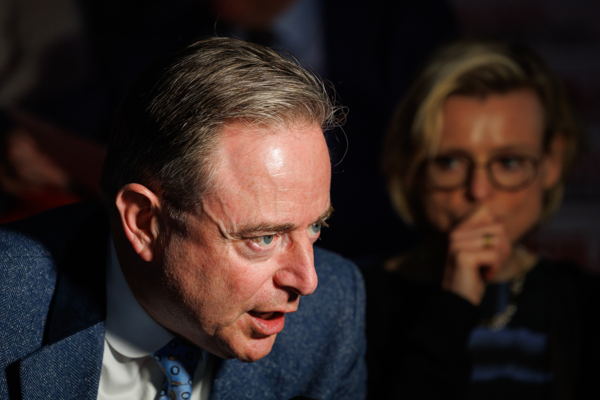
The EU will “not import one molecule” of energy from Russia in the future, Commissioner Dan Jorgensen said on Monday. His statement follows comments in the Belgian press by prime minister Bart De Wever that the EU should negotiate with Moscow to end the war in Ukraine and restore access to cheap energy.
De Wever spoke in the francophone media at the weekend in favour of an agreement with Russia on the war in Ukraine. “You have to rearm and remilitarise the border. At the same time, you have to normalise relations with Russia, regain access to cheap energy. That is a matter of common sense,” he said.
Jorgensen ruled out any relaxing of the EU's ban on importing Russian energy to ease the crisis caused by the war in the Middle East. “It would be a mistake for us to repeat what we did in the past,” he said ahead of a meeting of Energy ministers in Brussels on Monday. “In the future, we will not import as much as one molecule from Russia.”

He pointed out that the EU passed a law last year banning Russian gas imports from the end of 2027. The Commission is also working on a proposal to ban remaining oil imports from Russia.
“It’s extremely important that we stick to this line – we cannot in Europe help indirectly finance Russia’s brutal, illegal war,” Jorgensen said. “We’ve been far too long dependent on energy from Russia, making it possible for Putin to blackmail us with energy, making it possible for Putin to weaponise energy against us, and we are determined to stay on course with these issues.”
"Everyone knows that Putin is not to be trusted, that you cannot make deals with that man"
Conner Rousseau, the leader of Flemish socialists Vooruit, also rejected De Wever’s remarks, made as part of publicity for a new book.
“The prime minister can say what he likes in his own name, but he cannot speak on behalf of the government to suggest that we suddenly wish to go and beg Putin for cheap energy,” he told VTM Nieuws. “This has not been agreed within the government. Everyone knows that Putin is not to be trusted, that you cannot make deals with that man.”
De Wever’s comments were welcomed by Hungarian Foreign minister Peter Szijjarto, however, who is in Brussels for consultations with his European counterparts. “What is happening leads nowhere,” he said. “Blocking communication channels means giving up hope for peace.”

Hungary and Slovakia are currently blocking approval of a 90bn euro European loan for Ukraine because the two countries are no longer receiving Russian oil through the Druzhba pipeline. The pipeline has been out of service since January, which Ukraine says is the result of a Russian attack.
Szijjarto said on Monday that Ukraine had only political reasons for continuing to block the transit of oil through the pipeline. “If a country maintains an oil blockade against us, that country cannot expect us here in Brussels to support decisions that are in their favour,” he said.
In an attempt to defuse the conflict and get the loan on track, the Commission last week proposed sending a mission to Ukraine to assess the damage to the pipeline. Jorgensen said on Monday that Ukrainians were “working as hard as they can” to repair the pipeline.
Ukrainian president Volodymyr Zelensky has accused Europe of blackmail for putting pressure on Kyiv to repair the pipeline.
European Commissioner for Energy and Housing Dan Jorgensen © PHOTO HANS LUCAS COLLECTION
Related news