EU member states agree to indefinite immobilisation of frozen Russian assets

EU member states have agreed to freeze Russian assets indefinitely, despite Belgium's objections. The Danish presidency of the EU Council confirmed the decision on Thursday. It marks a significant step toward using the assets, most of which are held by Euroclear in Brussels, to guarantee a reparations loan for Ukraine.
The Danish presidency said EU member states had "agreed on a revised version of the Art. 122-proposal and approved the launch of a written procedure for formal Council decision by tomorrow around 5 pm," adding that the decision was made by a "very clear majority".
The assets were frozen as part of European sanctions against Russia, and the bloc plans to use them in a loan to Ukraine. But those sanctions must currently be renewed every six months by unanimity. With Thursday's move, member states aim to prevent the loan from being jeopardised if a country such as Hungary were to block a future renewal.
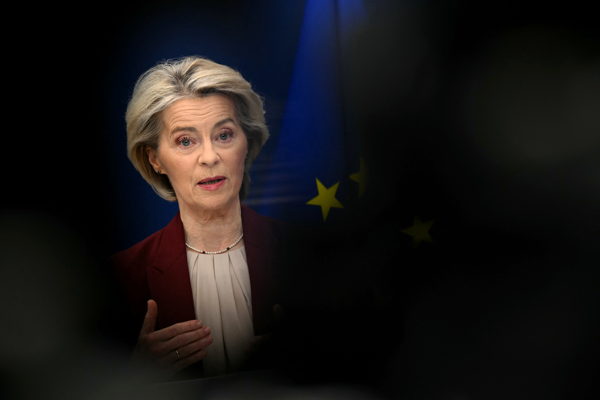

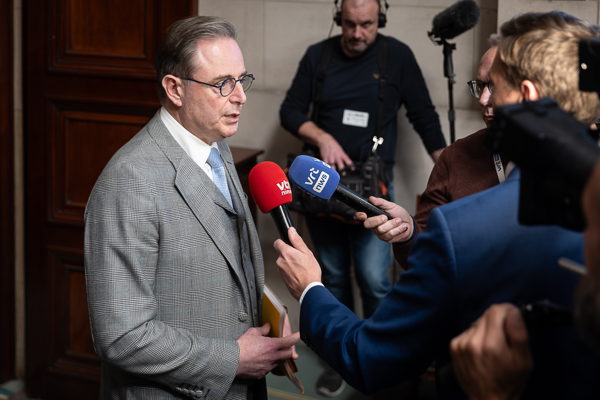
The measure relies on Article 122, an emergency provision that requires only a qualified majority. On Wednesday, Belgian prime minister Bart De Wever questioned the legal basis for invoking the clause, arguing that the condition of an emergency did not apply. "Where is the emergency? There is an emergency in Ukraine. But Ukraine is not in the European Union," he said.
A European Commission spokesperson responded on Thursday that it was "reasonable to argue that Russian aggression against Ukraine has a financial impact not only on Ukraine but also on the EU". Article 122, he added, allows the EU to mobilise resources to address a difficult situation, and "without war, the economic situation in Europe would be more prosperous".
"Where is the emergency? There is an emergency in Ukraine. But Ukraine is not in the European Union"
Government sources declined to say how Belgium would vote during the formal vote on Friday. EU diplomats told Euractiv that a large majority of member states support the measure. Slovakia and Hungary, both led by pro-Russian governments, are expected to oppose it, while Belgium is likely to abstain.
The Russian government immediately reacted to the news. A Foreign ministry spokesperson said that Europe's "manipulations" with the assets "will not go unanswered.".
© BELGA PHOTO HATIM KAGHAT
Related news