EU doubles import tariff on steel from outside the Union

The European Union is set to tighten restrictions on steel imports from outside the bloc, after the European Parliament and member state representatives reached an agreement on Monday evening. The measures aim to shield Europe’s struggling steel industry from cheaper imports, particularly from countries such as China.
Under the new rules, tariff-free steel imports will be capped at 18.3 million tonnes per year, a 47 per cent reduction compared with 2024 quotas. Imports exceeding this threshold will face a 50 per cent tariff, double the current rate of 25 per cent.
Low-cost steel from countries including China, India and Turkey has placed sustained pressure on European producers. According to the European Parliament, the revised system is designed to counter global overproduction and stabilise the EU market, with quotas distributed among third countries.
Potential effects on ArcelorMittal
For ArcelorMittal’s plant in Ghent, the tighter import regime could offer a significant, if gradual, reprieve. The company has already indicated that stricter EU trade measures, including higher tariffs and reduced import volumes, are likely to improve profitability by limiting cheaper foreign competition and increasing utilisation of European sites.
The need for this kind of support has become clearer in recent months. In January, ArcelorMittal said it was considering closing its Tailored Blanks unit in Ghent, putting around 90 jobs at risk. The unit has been loss-making for several years, due to falling production volumes, weak margins and growing international competition. The wider Ghent site, which employs about 4,500 people, has also come under pressure as demand from the European car industry has declined.
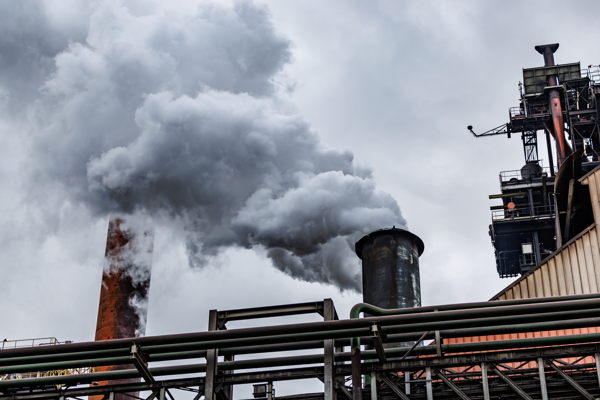

By February, however, the company reported a 2025 net profit of 3.15 billion USD, more than double the previous year, and said recent EU measures, including tighter import limits and higher tariffs, could help “restore profitability” at its European plants. ArcelorMittal added that reduced inflows of cheaper steel should lead to higher capacity use and better returns, with more visible improvements expected from the second half of 2026 into 2027.
#FlandersNewsService | © PHOTO ARIF ALI / AFP
Related news