Energy prices rise again as Middle East conflict threatens global supply

Energy prices rose on Thursday as new attacks in the Middle East increased concerns about global oil and gas supplies.
Earlier this week, markets had briefly calmed after comments from US president Donald Trump suggesting the war could end soon. That optimism pushed European gas prices down on Tuesday. However, the situation worsened again after fresh attacks on energy shipping routes.
Two oil tankers were hit in Iraqi waters, and an oil export terminal in Oman was evacuated after drone attacks. Ships were also forced to leave the port of Mina Al Fahal in Oman as a precaution. Iraqi oil terminals have since suspended operations.
The incidents again raised fears that the conflict could disrupt energy exports from the Persian Gulf. The price of Brent crude oil briefly rose above $100 a barrel before falling back to around $97. European gas prices also increased by about 4%, reaching just over €52 per megawatt-hour on the Amsterdam gas exchange.
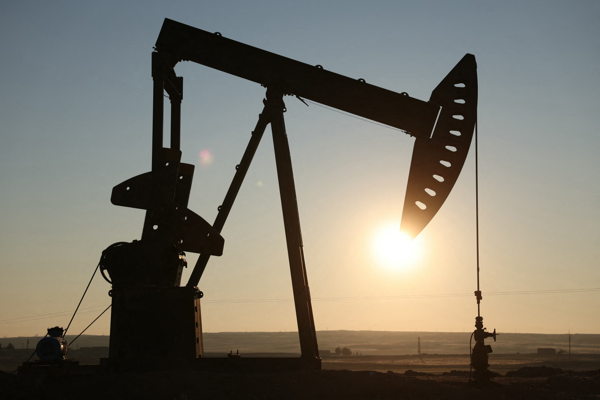

The International Energy Agency has warned that the war is causing the “largest disruption to oil supplies in history.” Gulf states are reducing production by at least 10 million barrels a day due to the blockade of the Strait of Hormuz, and there are significant supply cuts in Iraq, Qatar, Kuwait, the UAE, and Saudi Arabia.
Financial markets reacted negatively. The Euro Stoxx 50 fell about 0.6% as higher energy prices increased concerns about inflation. Belgium’s BEL 20 slipped about 0.2%. Higher energy prices have raised fears of inflation, pushing government bond yields higher across Europe.
Analysts warn that Europe may be hit the hardest. The region is facing rising prices for oil, gas and electricity at the same time, while the United States is mainly affected by higher oil prices and Asia by increases in oil and gas.
© Thibaud MORITZ / AFP